GP at CIAMAR 2026: Senior Living Opportunities in Mexico
With approximately 19.2 million people aged 60 and over in Mexico, according to INEGI, the longevity economy is opening up new opportunities for Real Estate development. This demographic shift was a central theme at CIAMAR 2026, held on October 21–22 in Mexico City.
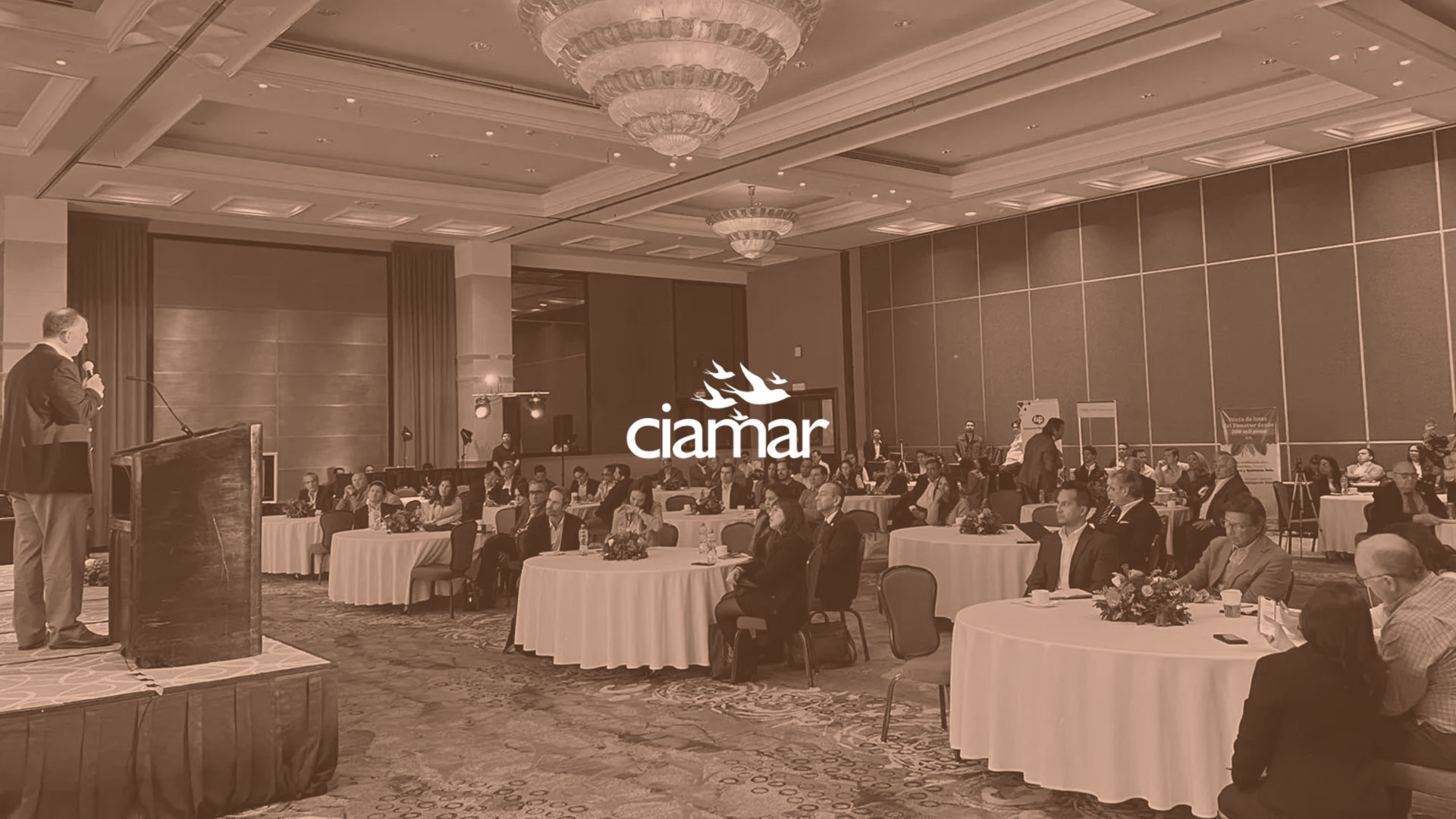
Now in its tenth edition, the International AMAR Congress (CIAMAR), organized by the Mexican Association for Retirement Assistance (AMAR), brought together architecture, real estate, healthcare and technology professionals at the Marquis Reforma Hotel.
Established as a meeting point for the retirement living and care industry, the congress brought together developers, investors, operators and industry specialists to examine trends reshaping the longevity market. Through conferences, panel discussions and networking sessions, the program explored emerging business models, investment opportunities and innovative solutions for an increasingly long-lived population.
_______________________________________________________________________________________________
Explore key takeaways and insights from previous editions of AMAR
View GP's previous participation
_______________________________________________________________________________________________
Technology, Architecture and New Senior Living Models
Under the theme Geriatronics, CIAMAR 2026 explored how technology, healthcare and design can come together to transform living environments for older adults. The approach incorporates solutions such as assistive robotics, smart sensors, home automation and artificial intelligence to support independence, improve safety and facilitate access to care.
Beyond technological innovation, discussions highlighted the need to rethink traditional residential models, moving toward integrated environments that bring together housing, well-being, preventive care and community life. The program focused on four key areas:
- Evolving senior living models: integrating housing, healthcare services and community through solutions tailored to Latin America's social and economic realities. Discussions emphasized the importance of developing approaches that reflect local cultural and family dynamics rather than simply replicating international models.
- Architecture and well-being: the role of biophilic design, neuroarchitecture and material selection in creating environments that support independence, safety and quality of life. These approaches offer new perspectives on residential design, with a focus on prevention, accessibility and everyday well-being.
- Technology-enabled care: integrating smart home systems, artificial intelligence, sensors and remote monitoring to support aging in place. These technologies create opportunities for connected living environments that enable personalized assistance and adapt to residents' evolving needs.
- Real Estate opportunities: Mexico's potential as an international retirement destination and the development of integrated residential environments centered on longevity. Discussions explored models combining housing, hospitality, healthcare and services, alongside the investment and operational challenges associated with this growing sector.
________________________________________________________________________________________________
Explore the concept of future living
Access the original content here
________________________________________________________________________________________________
Mexico's Potential in the International Retirement Market
Gómez Platero was represented by architect Carlos Sánchez, Business Developer Manager Mexico, who highlighted the country's potential to attract demand from older adults in the United States.
"Mexico's proximity to the United States positions the country as a market with significant potential for new retirement-oriented residential developments. The scale of this opportunity calls for a fresh approach to real estate offerings and their ability to meet evolving demand," Sánchez said.
The discussions underscored the importance of developing solutions that balance financial viability, local identity and user experience. Within this evolving landscape, architecture plays a strategic role in creating environments that respond to new ways of living and promote quality of life at every stage.