PFM 2026: Real Estate Management for Long-Term Value
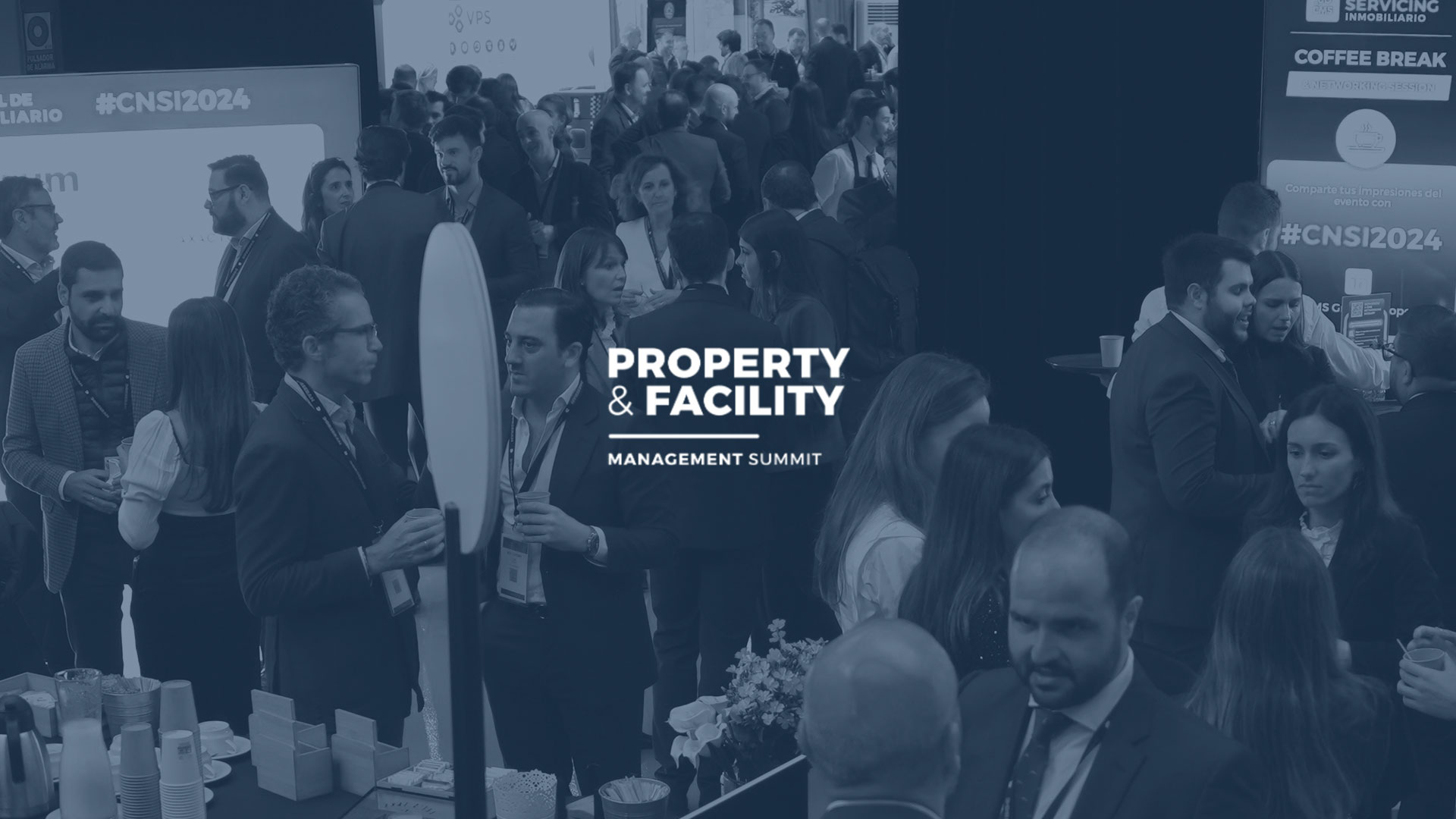
On October 14, the Property & Facility Management Summit 2026 welcomed more than 340 delegates and 47 speakers to Madrid’s Eurostars Suite Mirasierra hotel. Investors, property owners, managers and technology specialists explored how building operations influence investment returns and long-term asset value.
Asset Management: From Investment Decisions to Occupier Experience
Organized by CMS People Europe, the summit combined panel discussions, case studies and networking, with support from 34 sponsors and partner organizations. Aitor Arteta, Gómez Platero’s Head of Business Development in Spain, attended on behalf of the practice.
Discussions emphasized the need to assess operating expenditure, maintenance requirements and occupier needs during acquisition due diligence. Closer coordination between property and facilities management helps anticipate risks and maintain service standards throughout the asset lifecycle.
The agenda spanned public and affordable housing, asset repositioning, changes of use, artificial intelligence and energy efficiency. Sessions on data centers highlighted a principle with direct implications for architectural practice: operational requirements must inform design from the outset.
__________________________________________________________________________________________________
Explore GP’s participation in Madrid’s most recent real estate events.
Download the brochure with key takeaways from The District 2026.
__________________________________________________________________________________________________
Spanish Real Estate: Investment and Asset Adaptability
According to CBRE, real estate investment in Spain exceeded €12 billion in the first half of 2026, a 59% increase year on year. This momentum underscores the importance of planning capital improvements that sustain asset performance over time.
The discussions pointed to closer alignment between investment strategy, architectural design and day-to-day operations. Anticipating energy demand, designing for adaptability and improving the occupier experience will be essential to keeping buildings competitive as urban needs evolve.
Explore the event’s key insights and conclusions here: