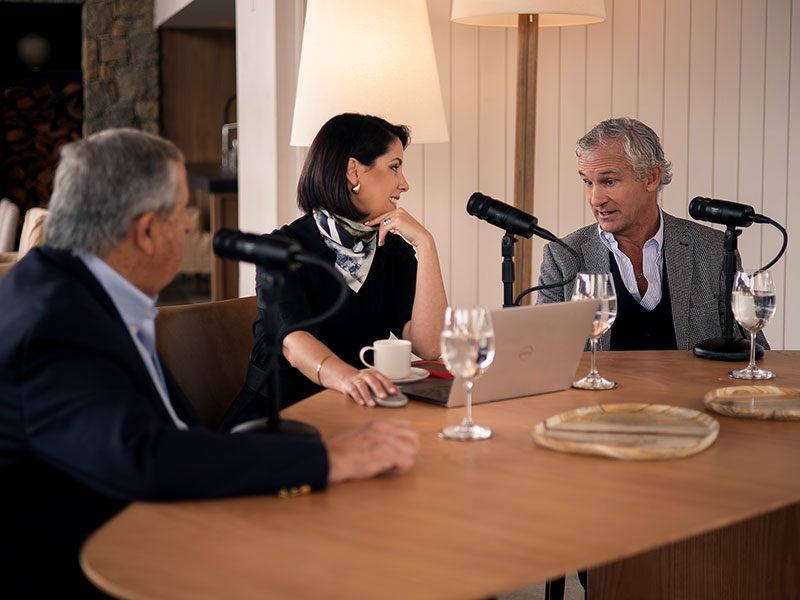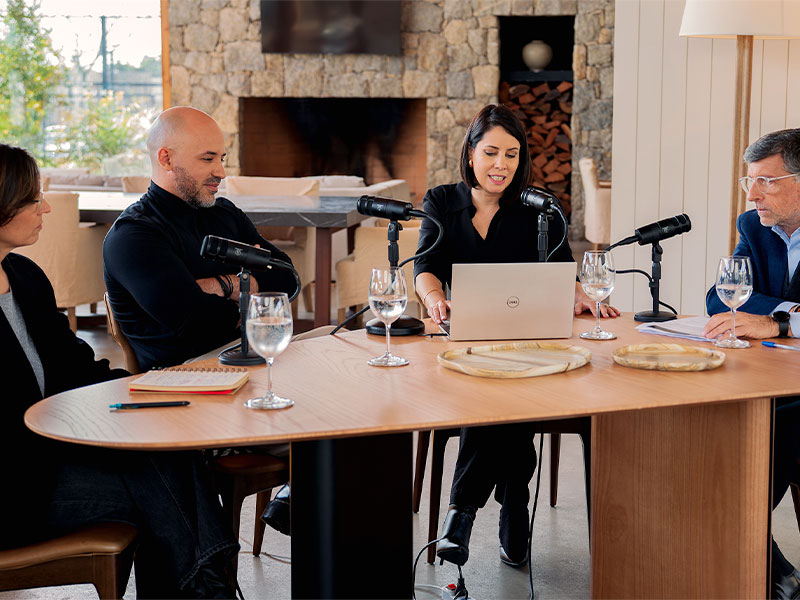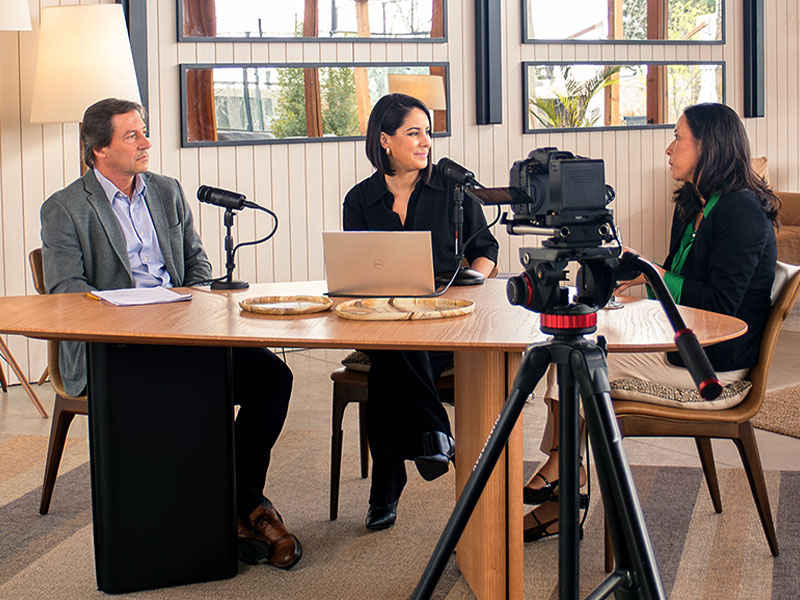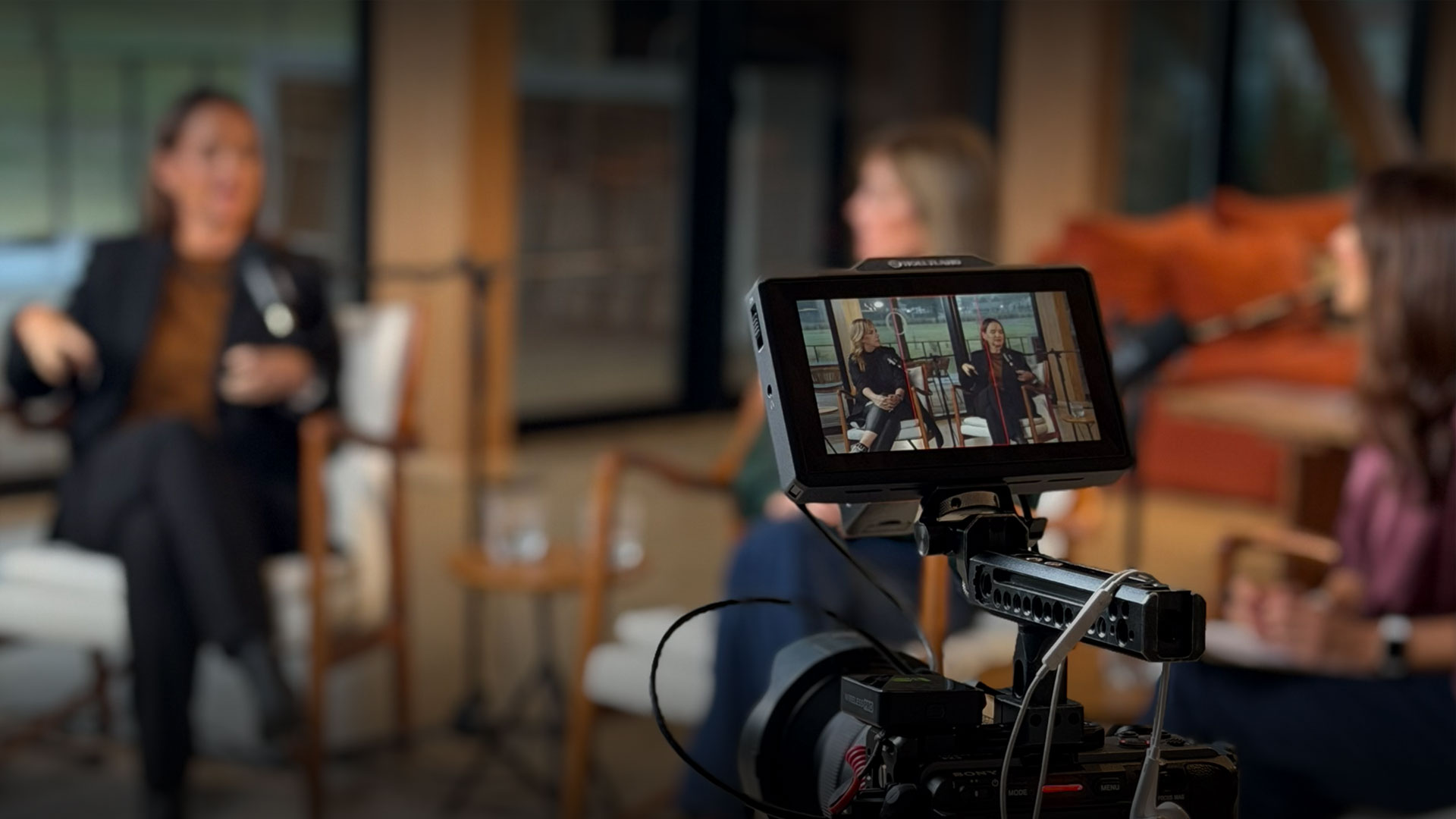
GP Talks, the video podcast by Gómez Platero Architecture & Urbanism, launches its second season by exploring how educational architecture can support new ways of learning. A conversation about learning spaces, culture, and design—and their potential to foster connection, build community, and drive urban transformation.
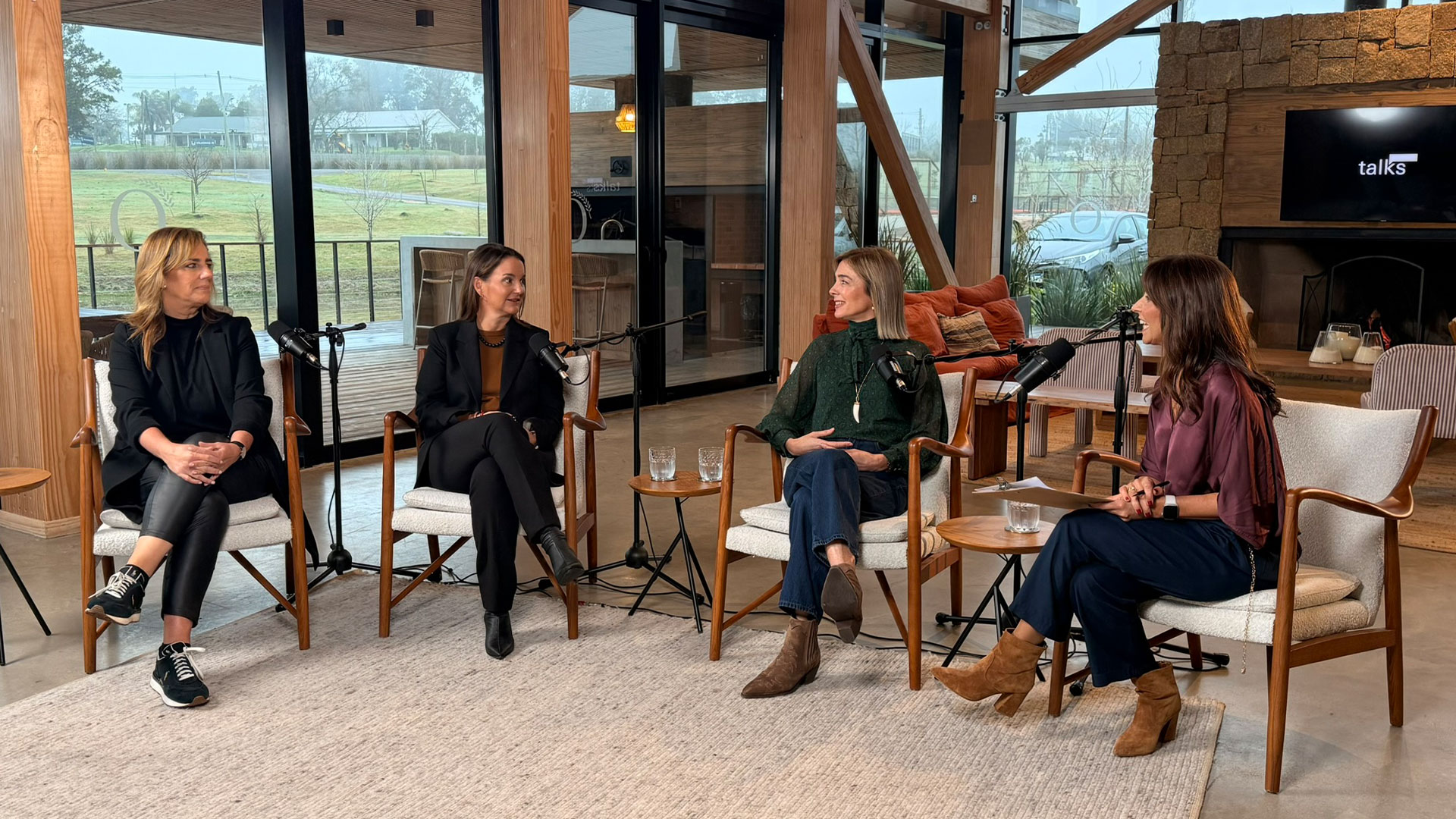
GP Talks returns with new conversations on architecture, urbanism, and Real Estate. This second season shifts the focus to the scale of human experience, exploring how transformations in our cities are giving rise to new ways of learning, working, connecting, and inhabiting space.
The first episodes were recorded at the Club House at Olivos de los Horneros, in Canelones, Uruguay, with interiors styled by JB home & office, and are hosted by journalist and communications professional Cecilia Bonino.
Through projects, experiences, and real-world case studies, this new season takes a closer look at some of the ideas reshaping architecture and urban life today.
Architecture, Education, and Culture as Catalysts for Urban Transformation
Can the spaces we inhabit change the way we learn? Paula Cardellino, professor and researcher at ORT; Carolina Gutiérrez, CEO of TUMO Uruguay; and Gabriela Pallares, CEO of Ministerio de Diseño, explore the relationship between educational architecture, emerging pedagogies, culture, and the city.
Starting from the premise that learning extends beyond the classroom, the episode looks at how design can expand the learning environment, turning common areas, outdoor spaces, circulation zones, and furniture into active components of the educational experience.
How can architecture transform the way we learn?
The conversation highlights several principles shaping contemporary learning environments:
- Flexibility: spaces that can accommodate different activities, teaching methods, and ways of learning.
- Autonomy: environments that allow students to learn in different ways and at their own pace.
- Connection: shared spaces that encourage interaction and foster a sense of community.
- Movement: environments that recognize movement, exploration, and physical engagement as part of the learning experience.
- Co-design: involving educators and students in the design process to respond to the real needs of those who use the space.
- Connection to context: extending learning beyond the classroom by creating stronger relationships with outdoor spaces, nature, and the city.
TUMO Uruguay: A Space for Learning and Connection
TUMO Uruguay brings many of these ideas to life. Its free creative technology program for teenagers combines personalized learning pathways with a fully in-person model.
Its 2,500 sqm facility combines workshops with expansive open areas for self-directed learning, featuring communal tables, soft seating, and stepped seating. Students are encouraged to make the space their own, choosing how and where they learn—individually or alongside others.
From TUMO, the conversation broadens to encompass other experiences and scales. Paula Cardellino draws on her research into learning environments and her experience with educational facilities in Finland and England, where architecture supports more flexible approaches to teaching and learning. Gabriela Pallares, in turn, expands the discussion to the urban scale, looking at cultural, social, and educational initiatives across Latin America and around the world. Examples from Medellín, Miami, and Shanghai illustrate how these projects can extend beyond the boundaries of a building to activate urban areas, generate new patterns of activity, and strengthen social connections.
From the learning environment to the scale of the city, one central idea emerges: architecture can create the conditions for learning, connection, and community, allowing the impact of these projects to extend far beyond their physical boundaries.