How can we design workplaces people genuinely want to return to? In a new episode of GP Talks, leaders in the corporate sector and talent management explore how architecture, flexibility, and organizational culture are reshaping offices and the experience of work.
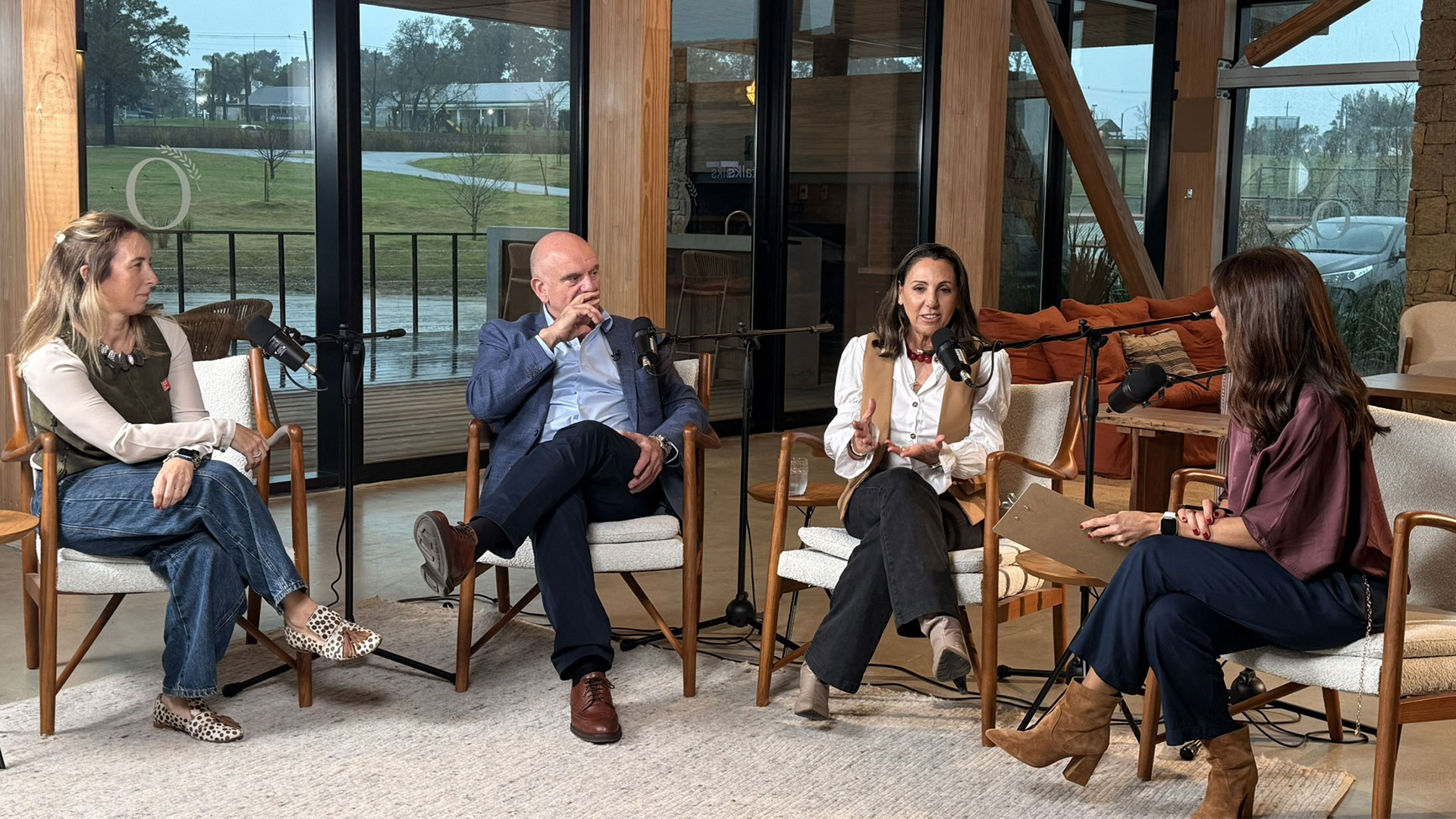
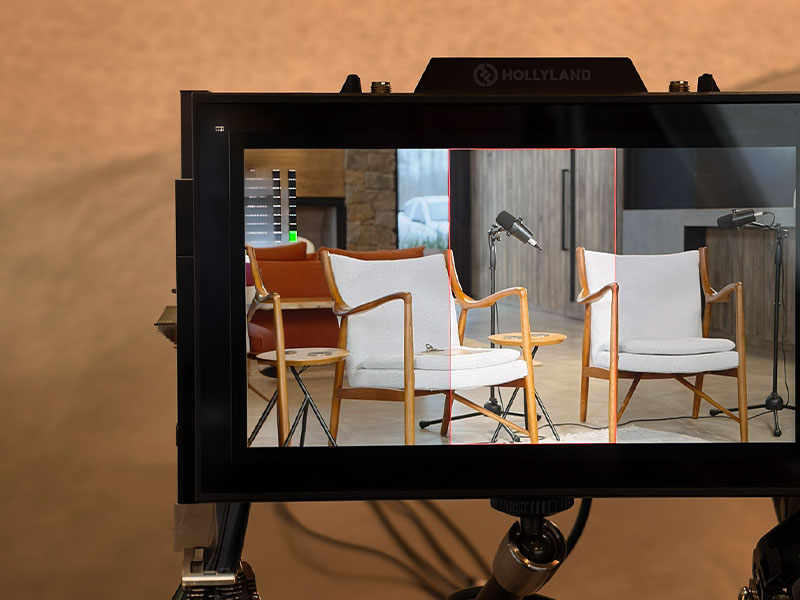
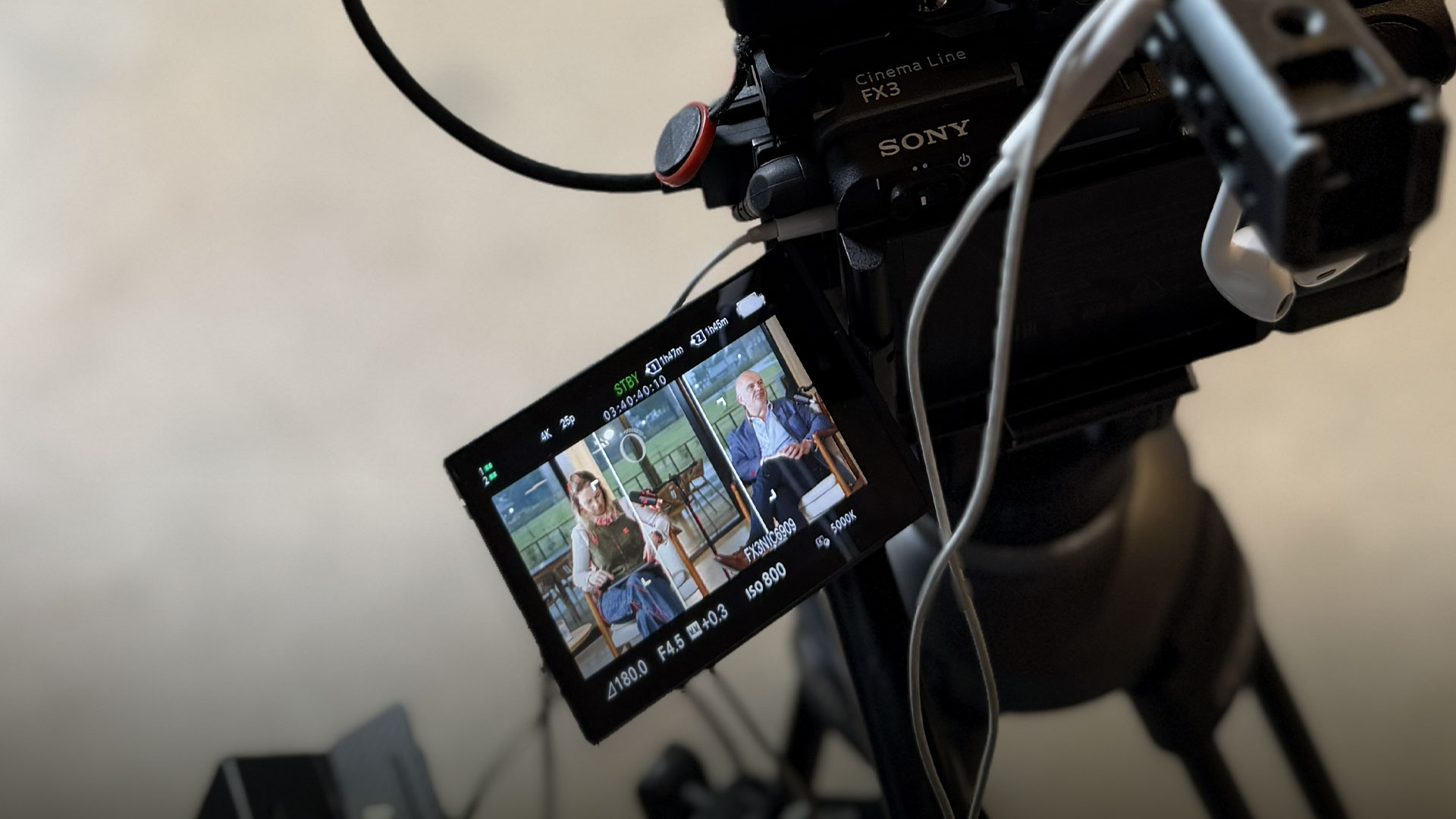
GP Talks, the video podcast by Gómez Platero Architecture & Urbanism, continues its second season with conversations on architecture, urbanism, and Real Estate. The series explores how changes in our built environments are shaping new ways of working, connecting, and inhabiting space. Hosted by journalist and communications professional Cecilia Bonino, the episode was filmed at the Olivos de los Horneros Clubhouse in Canelones, Uruguay, with interiors styled by JB home & office.
The Changing Workplace: From Attendance to Experience
What makes an office relevant when work can happen almost anywhere?
Cecilia Riva, President of Great Place to Work in the Southern Cone; Juan Carlos Rodríguez, CEO of Aguada Park Uruguay; and Cecilia Igorra, Talent Management Manager at Gómez Platero, examine this transformation through the perspectives of workplace culture, corporate development, and evolving employee expectations.
At the heart of the conversation is a fundamental shift: the office is no longer simply somewhere employees are expected to be. It is becoming a place that must offer meaningful experiences and create value for both people and organizations.
What's Reshaping Workplace Design?
The discussion highlights six factors redefining contemporary workplaces:
- Flexibility: spaces that accommodate different tasks, teams, and working models.
- Collaboration: environments that encourage knowledge sharing, spontaneous interactions, and innovation.
- Well-being: lighting, connections to nature, and spaces for rest that support the employee experience.
- Organizational culture: architecture that reflects a company's values, working practices, and relationships.
- New generations: evolving expectations around autonomy, purpose, and work-life integration.
- Connection to the surrounding environment: accessible locations, amenities, and shared spaces that extend the workplace experience beyond the office.
Corporate Architecture for New Ways of Working
The evolution of office design reflects a broader shift in how organizations understand productivity. Rows of desks and individual workstations gradually gave way to open-plan offices designed to encourage interaction. Today, the challenge is to provide a wider variety of environments suited to different activities.
Quiet areas, meeting rooms, collaborative spaces, and informal gathering places now coexist within increasingly flexible workplaces. Modular design and adaptable layouts allow spaces to serve multiple purposes and evolve alongside organizational needs.
Yet design alone does not guarantee collaboration. As the guests emphasize, physical environments must align with an organization's culture and leadership practices. An office may provide inviting shared spaces, but their real value depends on how people use them and interact within them.
Beyond the Office: Creating Workplace Ecosystems
The employee experience also extends beyond the office itself. Proximity, commuting, access to services, and opportunities to connect with others are becoming important considerations in the design of corporate environments.
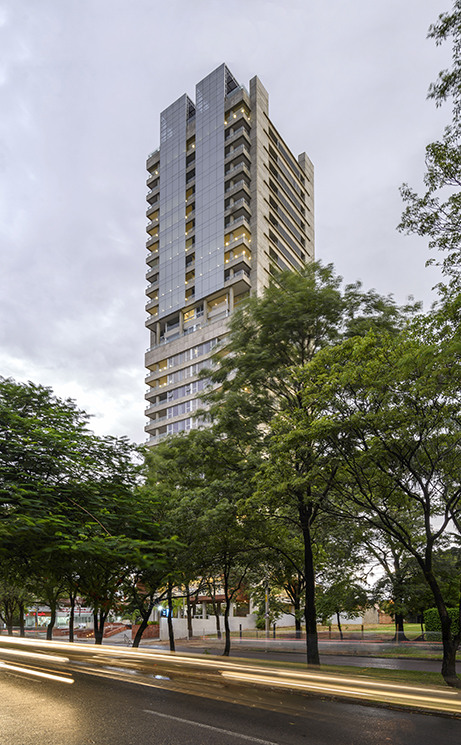
During the episode, Juan Carlos Rodríguez shares insights from Aguada Park, a business complex that brings together numerous companies and employees. Among the initiatives developed in collaboration with Gómez Platero is a shared game room designed to encourage informal interactions between people from different organizations and generations.
Projects like these expand the role of shared amenities and demonstrate how architecture can create opportunities for connection beyond day-to-day work activities.
The conversation also places well-being at the center of workplace design. The ability to choose where to focus, collaborate, or take a break, together with access to outdoor spaces and nearby amenities, contributes to a more holistic workplace experience.