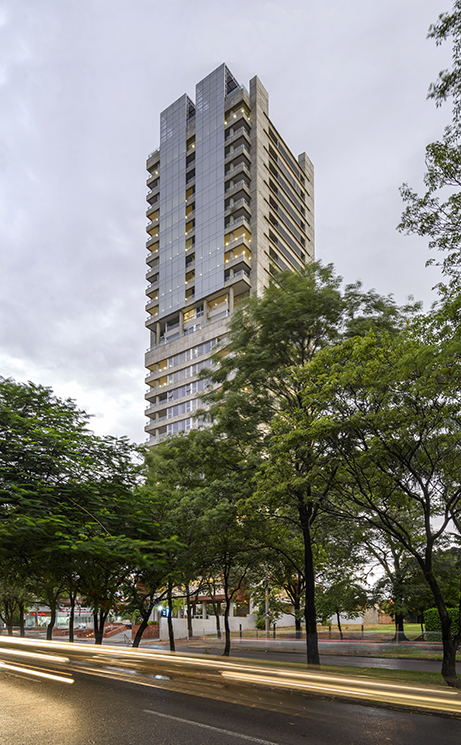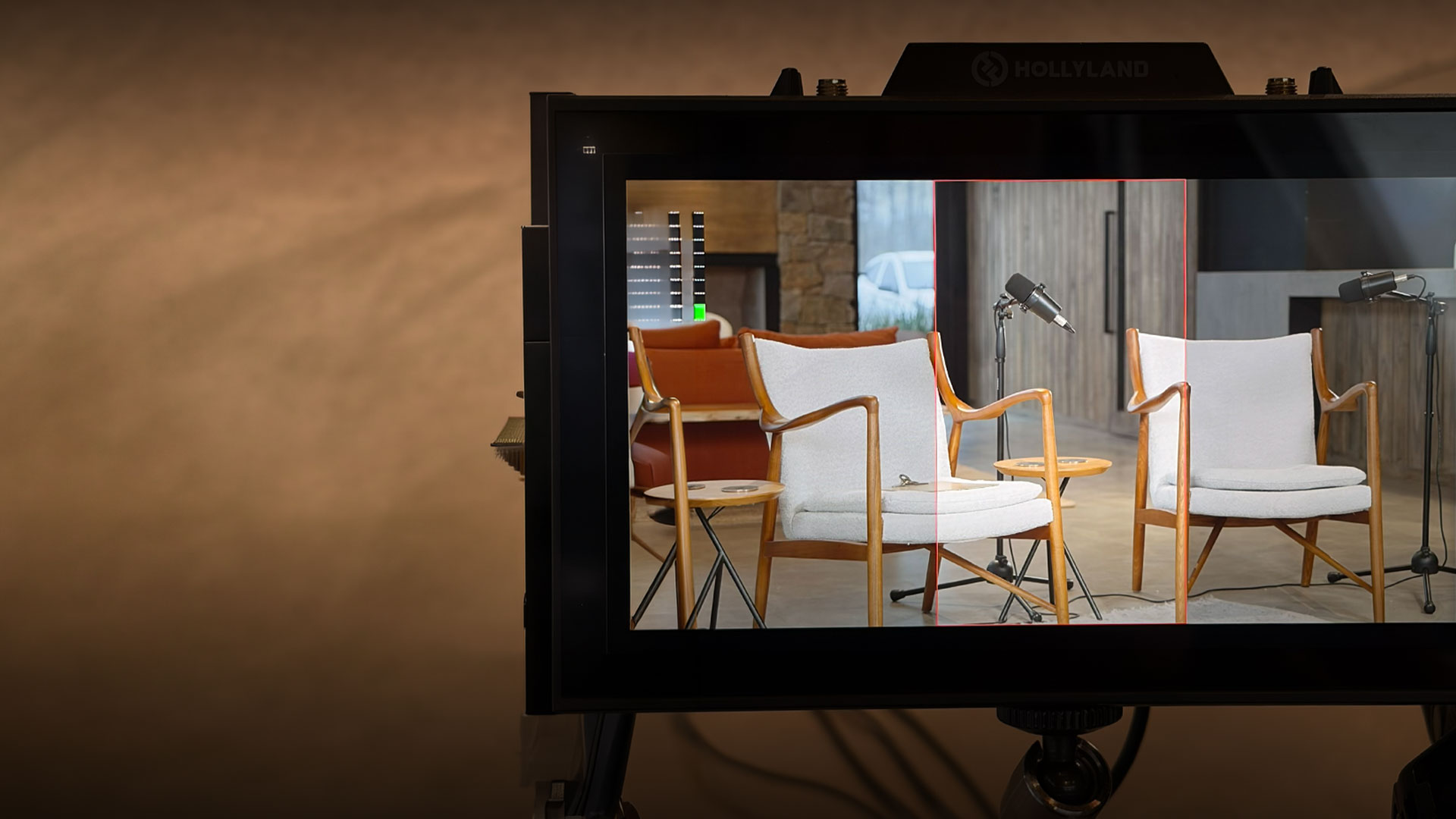
GP Talks returns with new conversations on architecture, urbanism and real estate, a new location and Cecilia Bonino as host. The first three episodes focus on how design shapes the experience of inhabiting spaces.
Reading time: 2 minutes
GP Talks, the video podcast by Gómez Platero Arquitectura & Urbanismo, returns for its second season with new conversations around architecture, cities and real estate. This time, the focus shifts closer to the scale of human experience: how the transformations reshaping our cities translate into new ways of learning, working, connecting and inhabiting spaces.
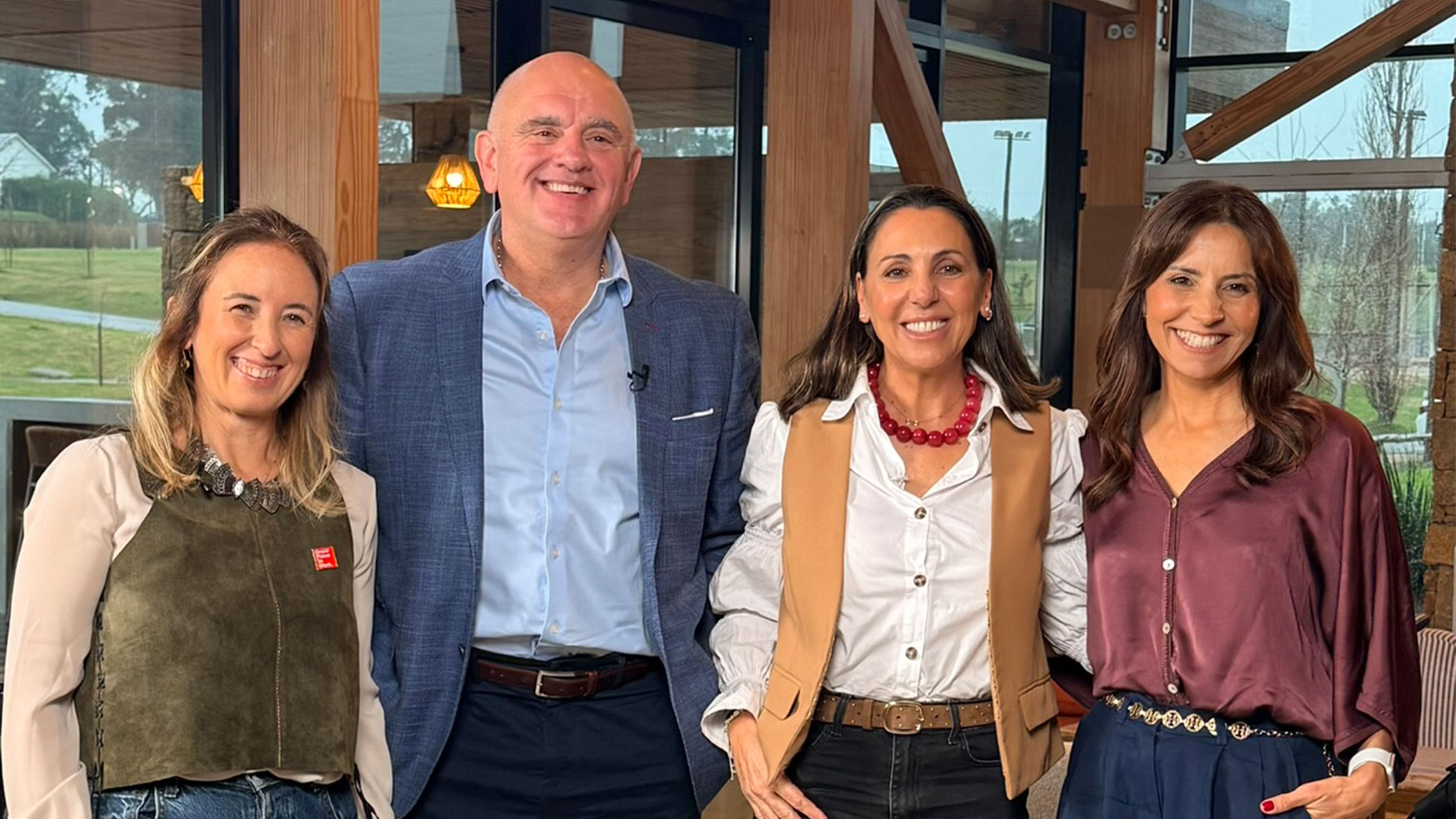
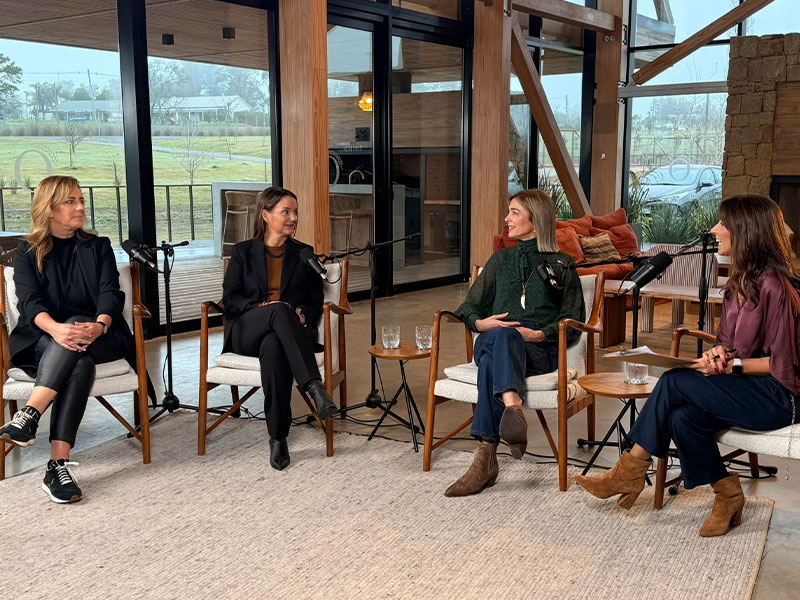
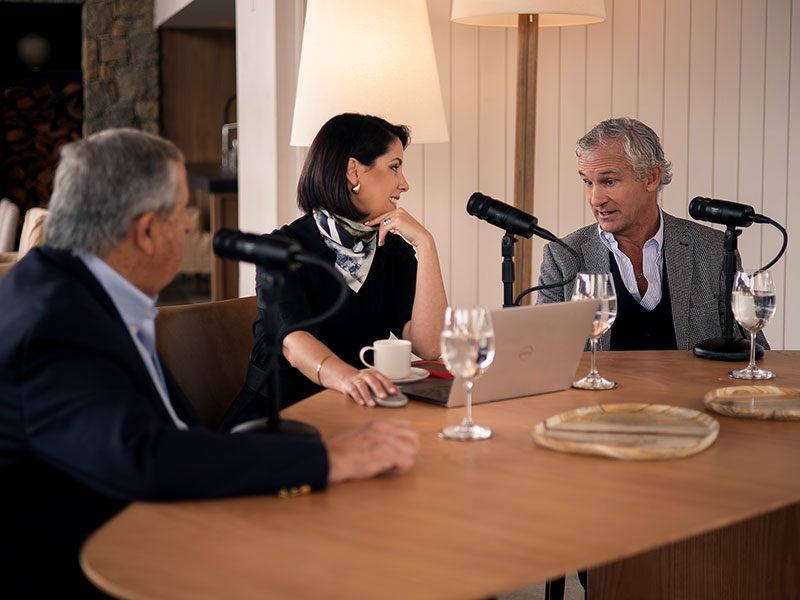
The new season also brings a new setting and host. The first episodes were recorded at the Club House at Olivos de los Horneros, in Canelones, Uruguay, with interiors by JB Home and Office and are hosted by journalist and communications professional Cecilia Bonino, who guides conversations among specialists, developers and leading voices from different disciplines.
Podcasting has become a particularly valuable format for circulating ideas, bringing together different perspectives and making specialized conversations accessible to broader audiences. In architecture and urbanism—disciplines that directly shape everyday life—it also creates an opportunity to discuss issues that, far from belonging exclusively to specialists, concern us all.
While the first season brought some of the major issues transforming architecture, cities and real estate development to the table, this new installment takes a closer look at them to explore how they manifest in people's everyday experiences.
Projects play a central role throughout this journey. Educational spaces, real estate developments, offices, buildings and urban environments bring the conversation into real-world contexts, helping us understand how concepts such as flexibility, community, well-being, mixed use and urban activation take tangible form through design.
 __________________________________________________________________________________________________
Revisit the first season of GP Talks
Discover the conversations that launched the video podcast
__________________________________________________________________________________________________
When learning and coming together can also transform the city
The first conversation begins with a simple idea: culture and education do not merely occupy a place in the city; they can also transform it. A cultural center, library, theater or new educational space can extend its influence beyond its physical boundaries, activate its surroundings and create new opportunities for people to connect.
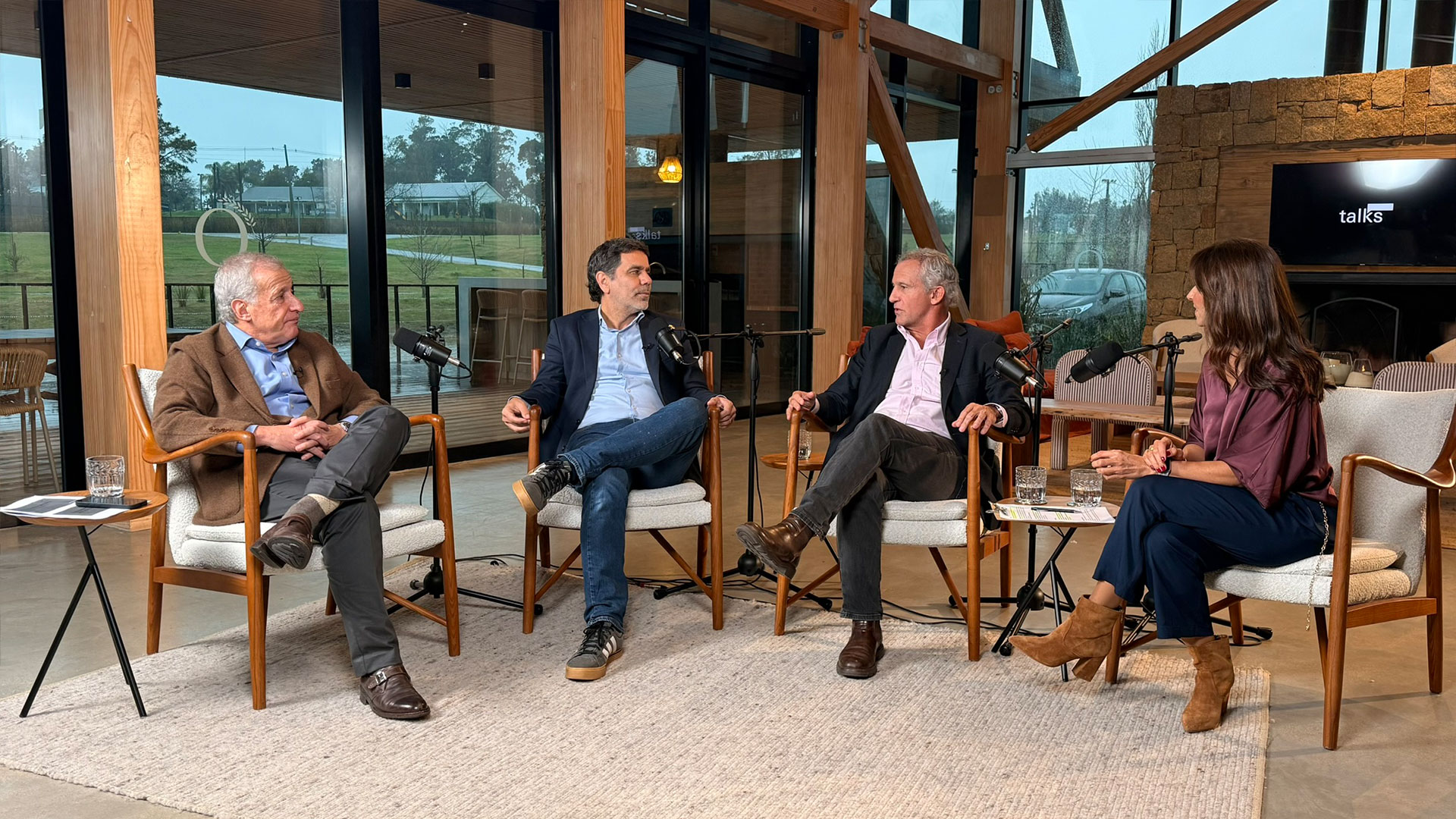
Discussing the relationship between architecture, learning and the city are Paula Cardellino, professor and researcher at ORT; Carolina Gutiérrez, CEO of TUMO Uruguay; and Gabriela Pallares, CEO of Ministerio de Diseño.
Drawing on experiences and projects such as TUMO and MALBA, the conversation moves across different scales: from new ways of learning and their impact on the design of educational spaces to the ability of certain facilities to connect generations, revitalize urban areas and build community.
The episode also looks ahead. If the ways we teach and learn continue to evolve, how can we design spaces today that are capable of supporting forms of learning we have yet to imagine?
When Real Estate begins to ask new questions
The ways we live, work and interact with the city have changed, and so have the factors that define the value of a real estate project. Flexibility, mixed uses, user experience, technology and adaptability are becoming increasingly relevant considerations in development decisions.
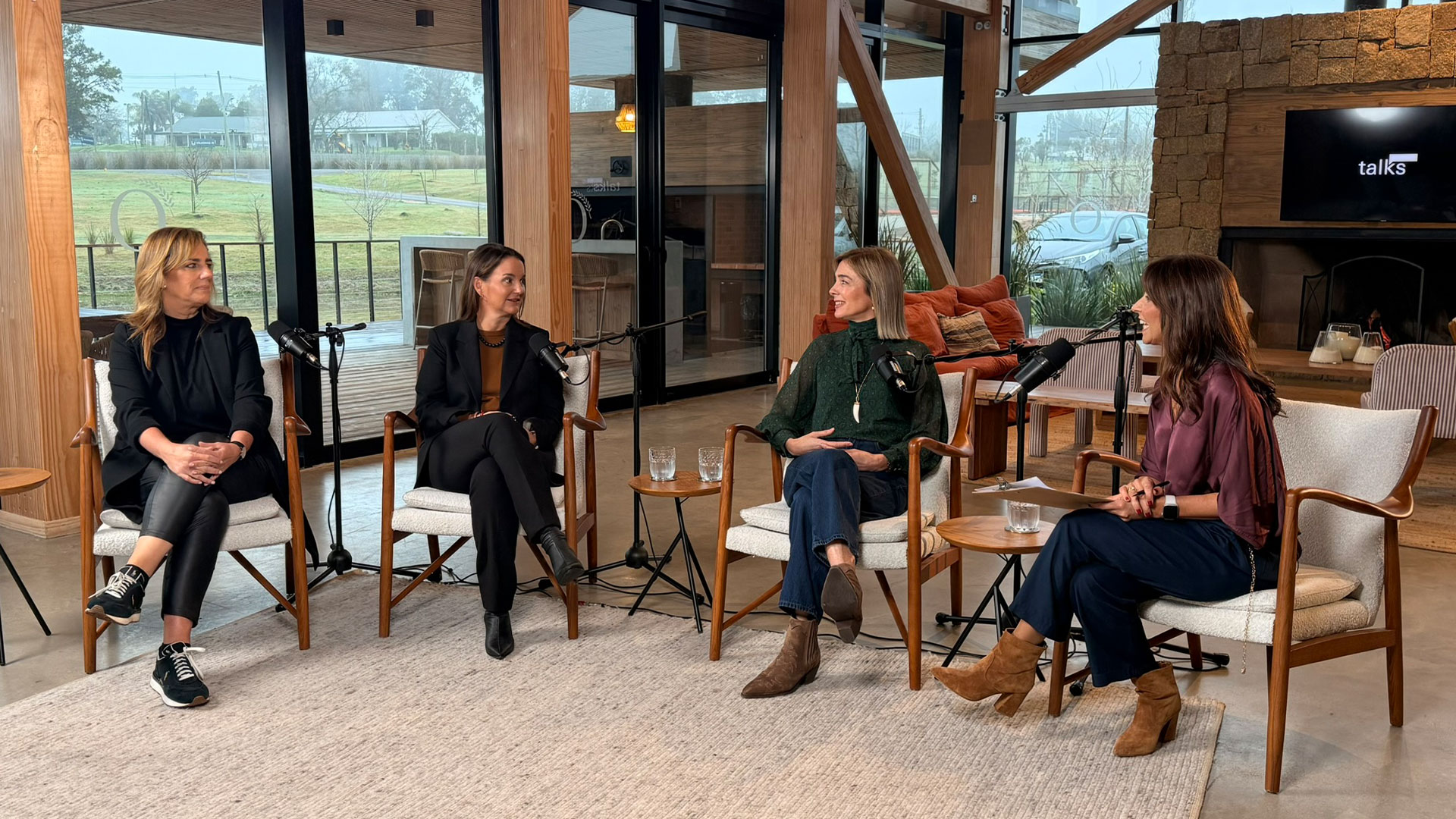
Juan Pedro Damiani, from DDC Desarrollos; Martín Gómez Platero, Founder & Executive Chairman; and Francisco Jorge, CEO of Altius Group Paraguay, exchange perspectives on a changing market and the new questions emerging behind every project.
The conversation also explores the rise of mixed-use developments and the increasingly fluid boundaries between living, working, shopping and connecting. Rather than anticipating a single answer, the episode reveals a shift in perspective: from development understood primarily in terms of square meters to projects in which experience, community, public space and the ability to evolve over time are becoming increasingly important parts of the equation.
If we can work from anywhere, why do we still need the office?
The question captures much of the transformation currently reshaping workplaces. Technology has made it possible to work from virtually anywhere, while hybrid models have blurred many of the structures that defined office life for decades. In this context, being physically present takes on a new kind of value—one that is no longer necessarily tied to occupying a desk.
Cessi Riva Mosquera, President of Great Place to Work Southern Cone; Juan Carlos Rodríguez, CEO of Aguada Park Free Zone; and Cecilia Igorra, Talent Management Manager at Gómez Platero, discuss what makes a workplace work today and the role the physical environment plays in building culture, relationships and a sense of belonging.
The conversation explores changing expectations, the balance between focus and collaboration, the impact of technology and the growth of flexible and shared work models. It also raises a central question: if we can now work from almost anywhere, what does the office need to offer to make us want to return?
As work models become increasingly flexible, workplaces are beginning to take on new roles. Rather than simply being the place where work is expected to happen, the office can become a space for connection, exchange, culture-building and shared experiences.
A conversation grounded in everyday experience
Education, culture, real estate and work offer different entry points into a broader discussion. Behind them lies a common question: the relationship between the spaces we design and the experiences those spaces make possible.
This is the territory that the second season of GP Talks sets out to explore: taking a closer look at the major issues shaping architecture and urbanism through concrete projects and situations, bringing together voices from different disciplines and opening up conversations around issues that are part of our everyday experience of the city.
Because talking about architecture and urbanism also means talking about how we learn, how we work, how we connect and how we want to inhabit the spaces of the future.
__________________________________________________________________________________________________
The conversation continues
Follow the second season of GP Talks on Spotify and discover every new episode.
__________________________________________________________________________________________________