Who We Are: Concept Design
The Concept and Schematic Design area is essential in defining the character of each project from its earliest stages. Its work focuses on shaping the project’s conceptual vision and, from there, developing solid proposals aligned with the client’s needs and the surrounding context. Through an integrated approach, it supports the client from conceptualization onward, in a process that connects and aligns the project with people and the city.
Reading time: 12 minutes
Gómez Platero’s Concept and Schematic Design area plays a fundamental role in the initial stages of the architectural process, where the character and conceptual vision of each project are defined. Its mission is to transform ideas, needs, and contexts into robust proposals capable of addressing the specific challenges of each commission.
Through a collaborative and multidisciplinary approach, the area accompanies the client from conceptualization, developing solutions aligned with their objectives, with the conditions of the context, and with an integral urban perspective that links the project to people and the city.
A Practice in Three Dimensions
The practice of the Concept and Schematic Design area is grounded in three fundamental dimensions: the client, the discipline, and the team.
A deep understanding of the client’s requirements is the starting point of every process. This entails active listening and an open attitude to grasp the multiple layers underlying each commission—physical, emotional, cultural, technological, and environmental.
“The client is the starting point of any design operation. There is no architectural proposal without a client,” explains Arturo De los Santos, Concept Design Manager.
The second key dimension is the virtuous practice of the discipline. The firm understands that architecture is produced in an increasingly interconnected world, where references are global and constant updating is essential. For this reason, special emphasis is placed on continuous learning and on incorporating both traditional knowledge and contemporary trends, with the aim of achieving professional excellence.
The third dimension is the team, which provides stability and meaning to the entire process. Decisions and outcomes are always the result of collective work. Maintaining a motivated, consolidated team in continuous training is as relevant as the relationship with the client or disciplinary updating. The articulation of these three dimensions makes it possible to build value in each project and to generate a virtuous cycle of learning and knowledge transfer within the firm.
From Analysis to Proposal
The development of a concept and schematic design begins with a preliminary phase of research and analysis. At this stage, a thorough site survey is conducted, applicable regulations are studied, and project objectives are defined together with the client.
Based on this foundation, the concept and schematic design phase itself begins, during which the first spatial and volumetric schemes are developed. The team explores different design alternatives through sketches, diagrams, and three-dimensional models, evaluating possible scenarios and siting criteria.
In today’s context—marked by increasingly demanding business dynamics and tight timelines—the development of concept design does not always follow a linear path. In many cases, decisions characteristic of this stage begin to overlap with later phases of the process, requiring different teams to work simultaneously and in coordination. This condition reinforces the importance of collaborative work and ongoing dialogue with the areas that continue and deepen the project’s development, to ensure coherence, consistency, and feasibility in every decision. It is a highly iterative process that includes the presentation of preliminary proposals and the incorporation of adjustments based on client feedback. One of the area’s main challenges is balancing creativity with technical feasibility in contexts where timelines are often tight and require a high capacity for synthesis and agile decision-making.
An Evolving Structure
The Concept and Schematic Design team is organized under a collaborative structure, bringing together professionals with specific roles that are articulated according to the nature of each commission.
Each new project begins with the formation of an ad hoc team, selected based on the challenge and the expertise required. “We first assemble the team and then, together, carry out the design process to prepare the deliverables presented to the client,” notes De los Santos.
The firm’s dynamics involve short-duration processes, generating constant movement among team members, who regroup flexibly according to the type of project or client. Over time, two major units have been consolidated: one focused on architectural projects and the other on urban projects, leveraging specialization and facilitating the integration of new members in an environment of continuous learning.
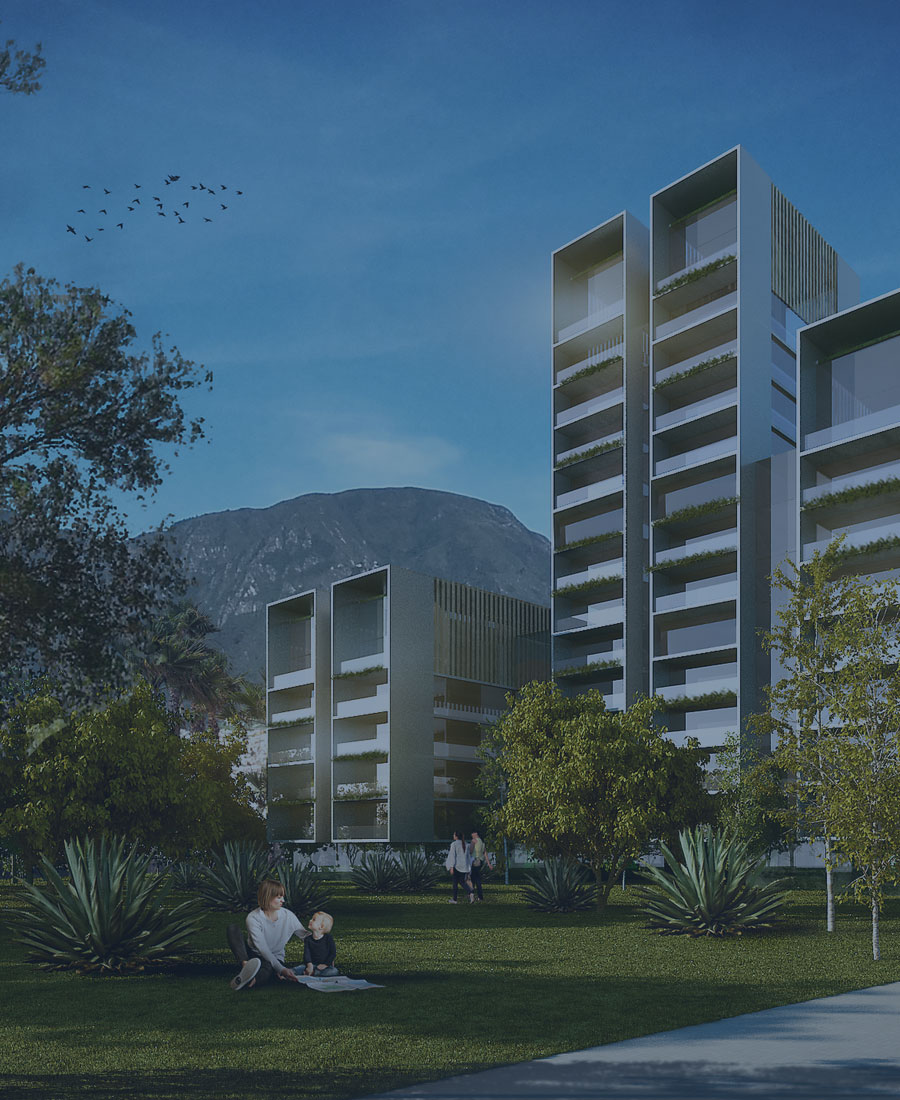
The design team’s work is supported by the architectural visualization area—also part of the concept and schematic design team—specialized in producing documentation and graphic pieces that facilitate a comprehensive understanding of the project. Drawings, plans, infographics, renderings, animations, virtual tours, or augmented reality are strategically used according to the client’s profile and needs.
“The firm is like an airport: projects land systematically and, from them, extraordinary journeys are generated,” says De los Santos. The project is a meeting point that must be clearly told and represented. Graphic representation is key to communicating the project’s intent and aligning all stakeholders involved.
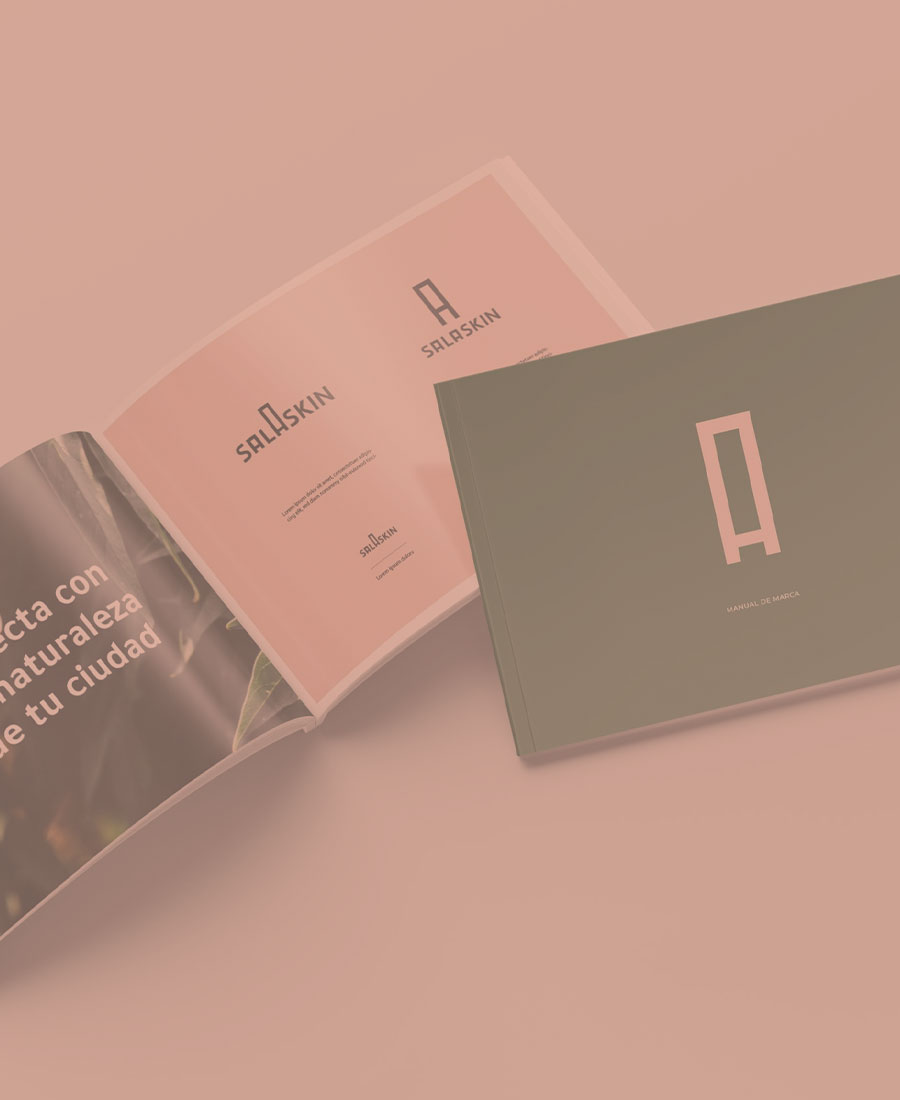
Within the Concept and Schematic Design area, the Visual Communication team also collaborates in building narratives, preparing meetings, and developing presentations that enhance the client experience and reinforce the project’s message.
Learning to Grow
Collective learning is a central pillar of the area. Design does not emerge in isolation, but as the result of people who analyze, react, and catalyze specific situations. The team’s trajectory has been built over time, incorporating new talents, perspectives, and programs.
Sharing experiences, debating projects, questioning decisions, and exploring methodologies are part of everyday work. “Consistency is key to decision-making; many clients make major decisions based on the information we provide,” says De los Santos. In this sense, rigor, professionalism, and clarity of communication are fundamental.
Experimentation and analysis—often through the projects themselves—are considered the primary path to learning. “We seek to connect territories rather than impose solutions, and to capitalize on lessons learned. We enjoy confronting unfamiliar topics,” he adds.
Beyond solving a program, the Concept and Schematic Design area assumes an expanded responsibility: contributing to the construction of a better habitat and to the improvement of urban environments. The value of a good project transcends the boundaries of the site and projects itself onto the city, always seeking singular, effective, and context-driven solutions.