A Coffee with Martín Gómez Platero from the 40th Floor of the World Trade Center
Martín Gómez Platero reflects on the origins of the Studio, his vision of the city, and the key principles behind designing architecture with human, urban, and collective impact.
Reading time: 6 minutes
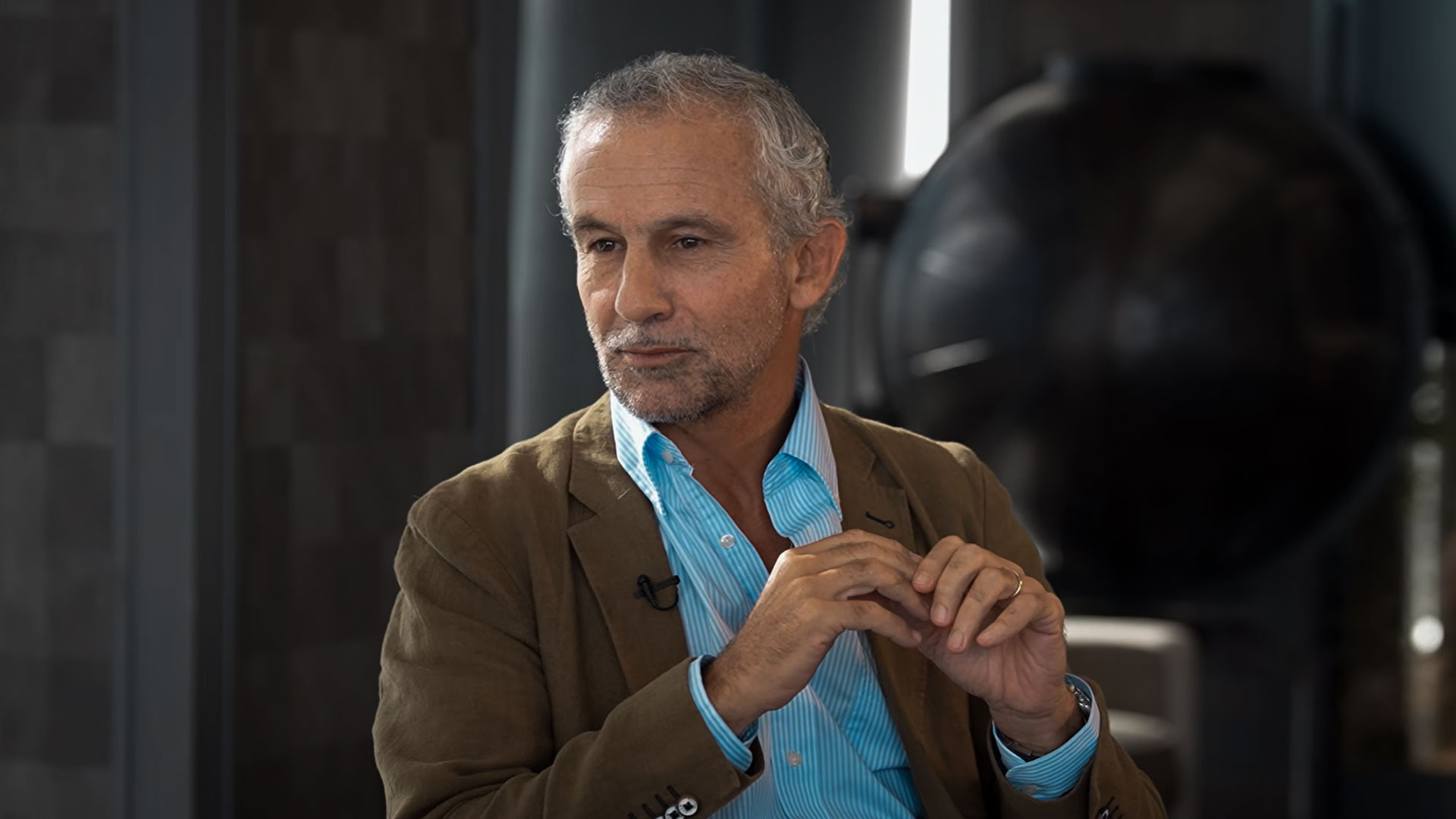
In this conversation as part of the “A Coffee with” series, which brings together business leaders, leading voices, and other notable guests at the 40th Floor of the WTC, Martín Gómez Platero reflects on his early connection to architecture, shaped by the experience of accompanying his father on construction sites, and revisits the founding of Gómez Platero Architecture and Urbanism in 2002, at a challenging moment for Uruguay and the wider region.
“Having a clear sense of vocation from the outset is a bit of luck,” he says, recalling a conviction that has been with him since childhood.
From that personal journey, the conversation expands into a broader understanding of architectural practice: a discipline that goes beyond design or individual authorship, and is instead built through collaboration, listening, and the integration of diverse capabilities. In that sense, he expresses his strong belief that “Architecture is, above all, a collective discipline.” This perspective helps explain not only the Studio’s growth across Latin America and beyond, but also a way of understanding leadership in which vision is sustained by strong, complementary teams.
Building a better city
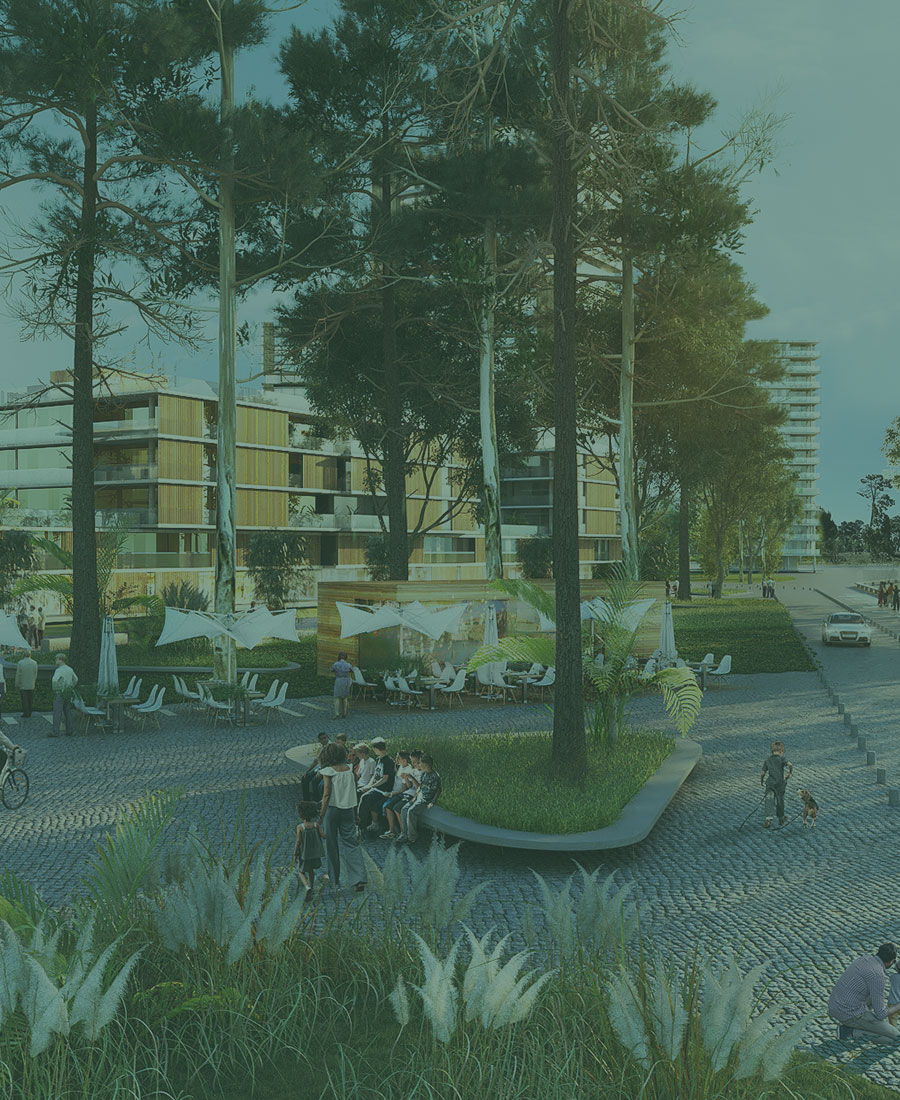
The interview also focuses on the city and the role projects must play within it. Rather than isolated objects, buildings are understood as pieces that can foster connections, strengthen community, and improve the urban experience. From this perspective, he argues that a good project should not be measured only by its square footage, but by the people who inhabit it, move through it, and make it part of their everyday lives. In this sense, Martín highlights the importance of public space, collective life, and a mix of uses in shaping environments that are more active, integrated, and sustainable over time. “If only the developer benefits and the city does not, then it is a bad project,” he says, reaffirming the responsibility of contemporary architecture: to generate value not only for those who drive a project forward, but also for the urban context that receives it.