Opening of Hospital Ángeles Chihuahua in Mexico: a new international milestone for GP
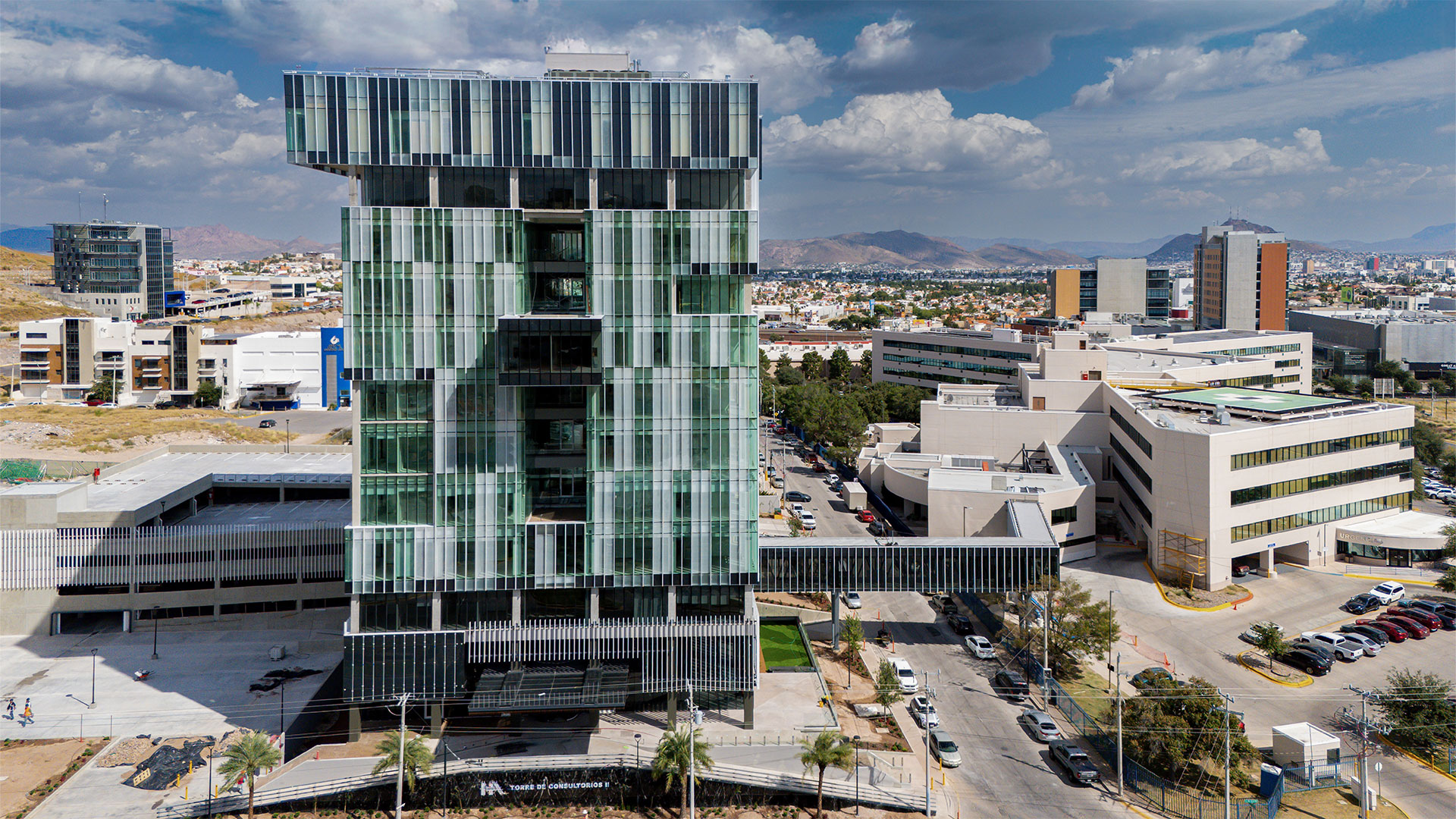
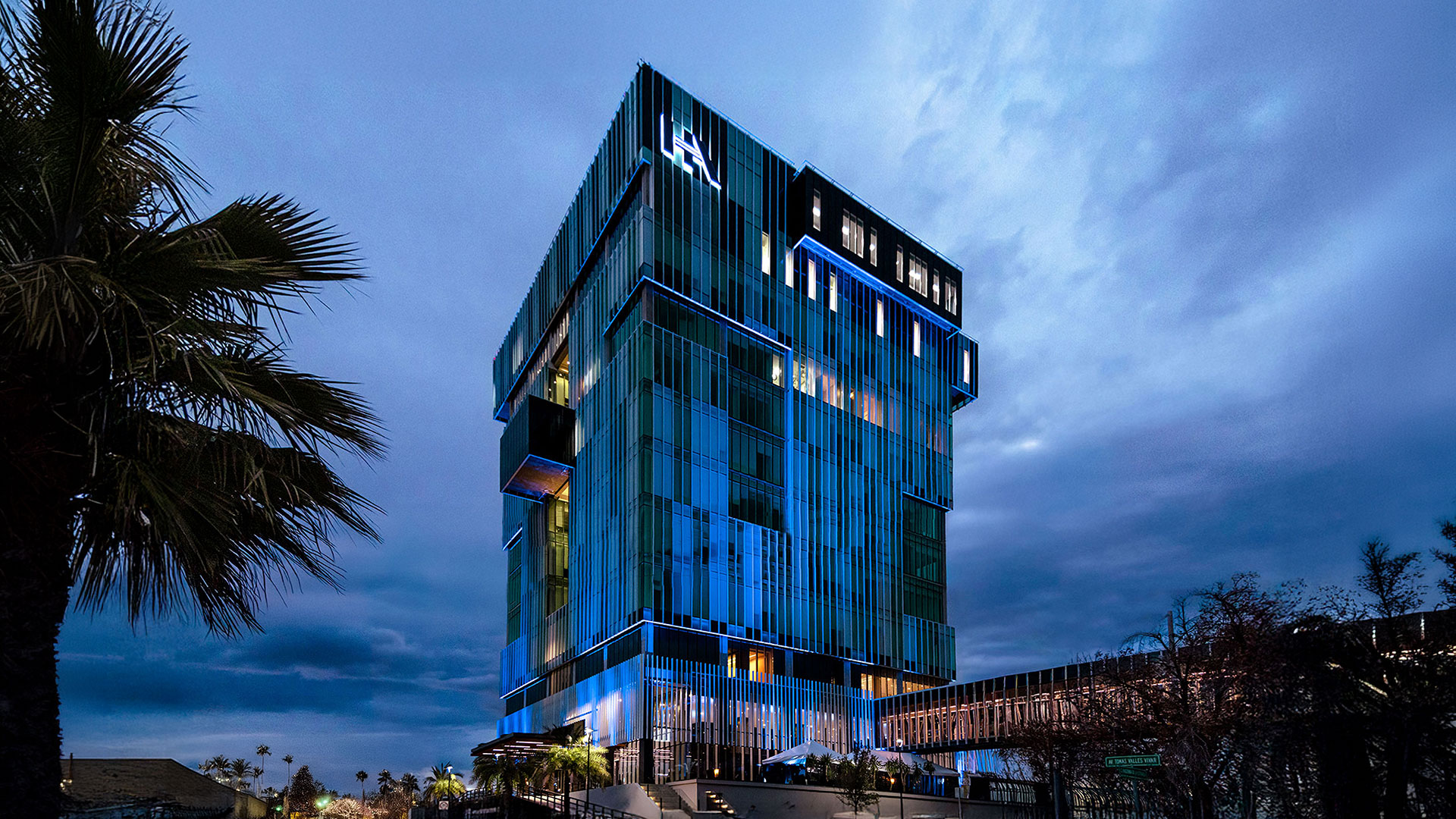
The recently inaugurated Medical Office Tower II expands the Hospital Ángeles Chihuahua complex with a high-complexity building designed to optimize clinical operations and support the campus’ phased growth.
Reading time: 6 minutes
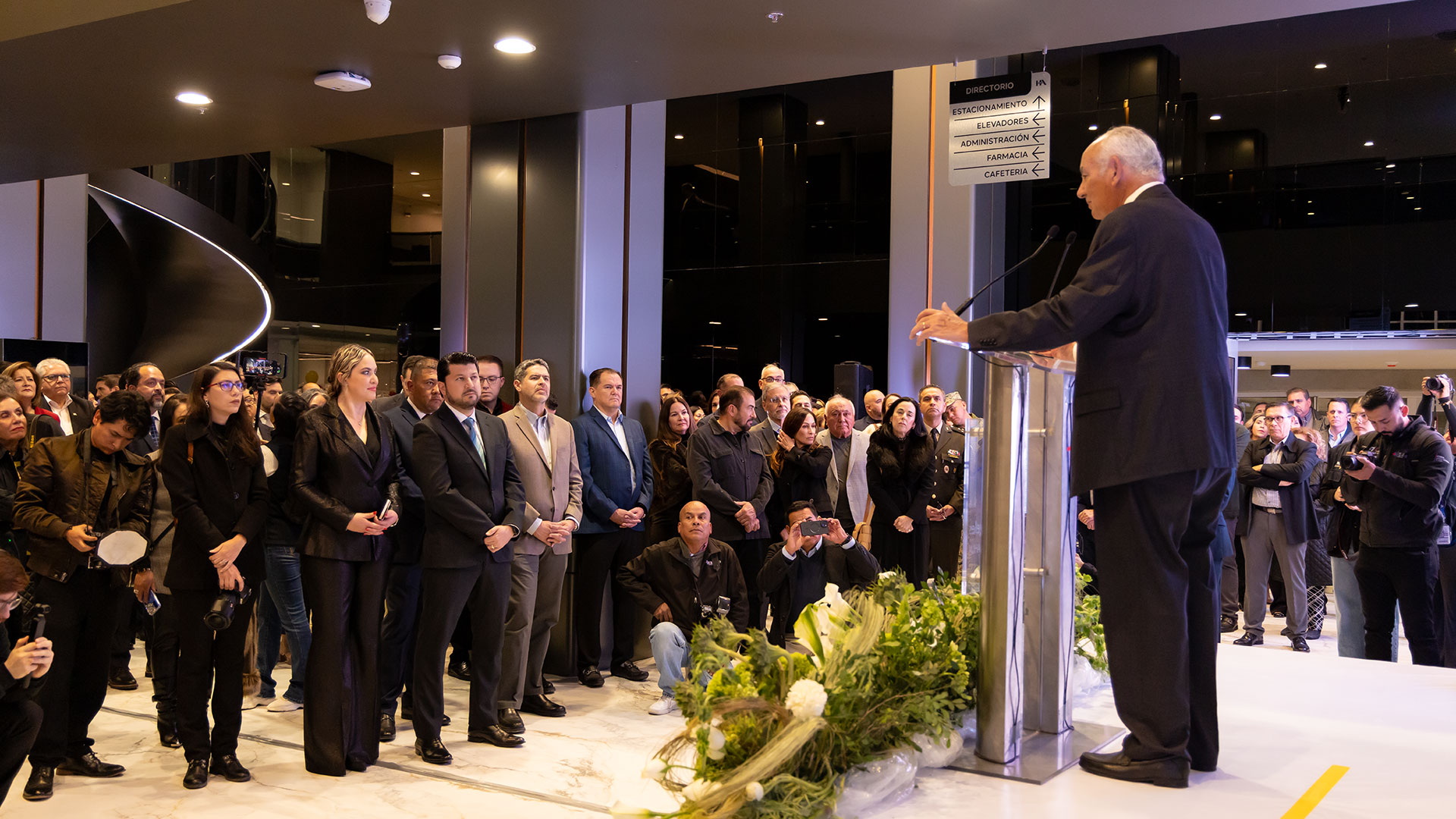
The opening of Medical Office Tower II at Hospital Ángeles Chihuahua, in the city of Chihuahua, Mexico, marks another milestone in the international expansion of Gómez Platero Architecture & Urbanism—within a building typology where architecture is measured by its ability to structure flows, reduce operational friction, and sustain long-term growth. The project is part of the development of Hospital Ángeles Health System, a 100% Mexican private network with 27 hospitals and more than 35 years of experience in medical and hospital care.
Designed in collaboration with Danza Cotignola Staricco, the architectural proposal introduces a medical office tower set opposite the hospital complex, using a vertical development strategy to reduce site coverage and preserve available land for future expansions. The building comprises 11 levels with individual and shared consultation suites, two floors dedicated to outpatient surgery, multipurpose rooms, an “express” diagnostic suite for complementary studies, support services, and parking—organized through a rigorous functional analysis of sensitive clinical areas.
The tower also consolidates a highly technical outpatient surgery package, including 8 operating rooms, a 24-bay pre- and post-operative area, and a sterile processing department (SPD/CSSD), with separated circulation routes and zoned infection-control criteria.
Healthcare architecture and experience: materials, comfort, and hospitality
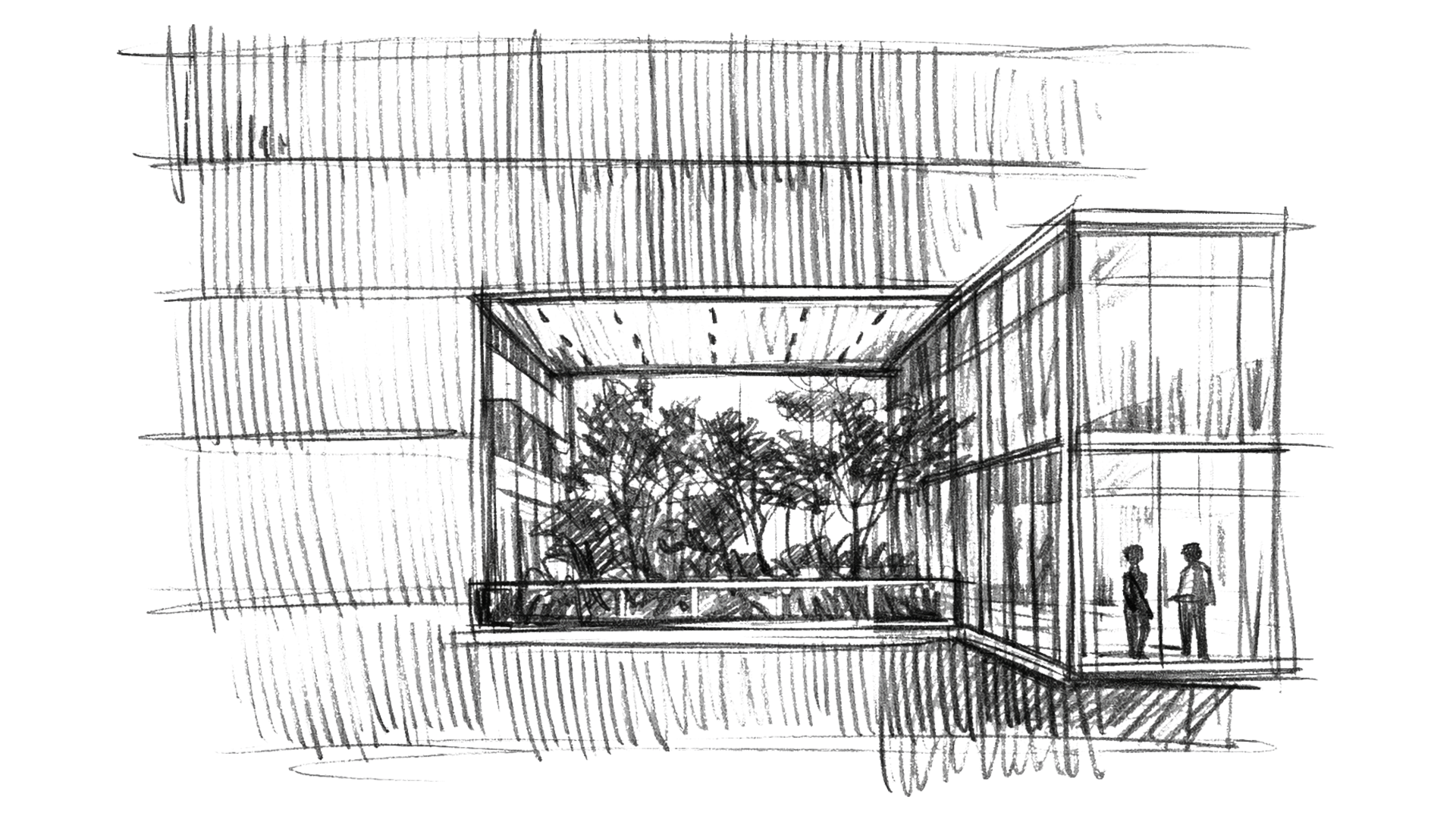
Aligned with recent trends in hospital design, the project moves away from the traditional clinical aesthetic and emphasizes a more hospitality-forward experience—using stone, wood, and metal finishes, and integrating green spaces at multiple heights as moments of contact with nature within the building. This approach is not merely aesthetic; it is grounded in evidence on how interior environments influence wellbeing and performance.
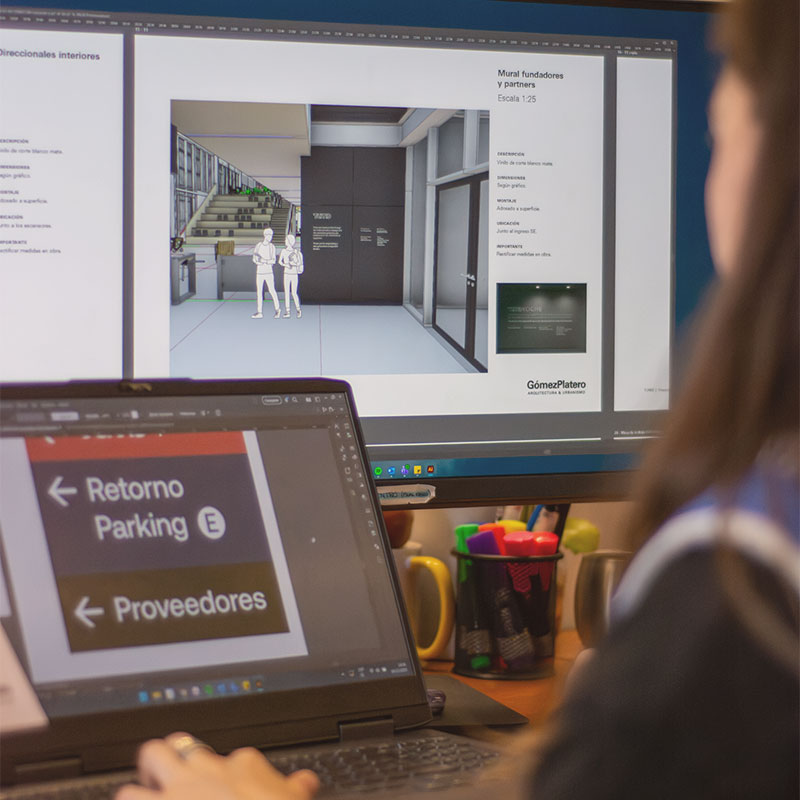
In healthcare settings, user experience is shaped by spatial logic as much as by finishes. The legibility of paths and access points, intuitive wayfinding, the separation of public and clinical flows, clean and dirty circuits, and the distinction between ambulatory patients and inpatient processes all directly affect safety, waiting times, and stress levels. In this sense, architecture functions both as technical infrastructure and as an everyday environment—where daylight, acoustics, ventilation, respite areas, and the presence of vegetation contribute to comfort, perceived quality of care, and wellbeing.
A regional portfolio: Ángeles, San Patricio, and MilleniumMed
The milestone in Chihuahua joins other healthcare projects across strategic locations in Latin America.
In Quito, Ecuador, Hospital Metropolitano San Patricio is conceived as part of a mixed-use urban masterplan, with a total area of 49,700 m² and an explicit focus on operational efficiency and spatial quality.
In the same country, in Guayaquil, the MilleniumMed complex spans 93,300 m², bringing together a high-complexity hospital with medical office towers for lease and sale, a dedicated parking tower, and an access sequence structured by a green boulevard.
These projects operate at the scale of integrated healthcare campuses—combining care, diagnostics, consultation, parking, and connectivity—creating more efficient and legible pieces of city. Here, architecture and urbanism converge on the same goal: making essential infrastructure perform better, for more people, and for longer.