In a context where working, shopping, booking a room, or accessing services can all happen through a screen, physical spaces face a new challenge: offering something the virtual world cannot replicate.
Reading time: 3 minutes
We have all experienced walking into a place for the first time and feeling comfortable almost immediately. Staying longer than expected. Returning more than once, and even recommending it to others. Interestingly, many of these places are not necessarily our homes. They may be offices, hotels, stores, clinics, or even waiting rooms. What do they have in common? The ability to create comfort, trust, and a sense of belonging that is hard to explain, but easy to recognize.
More and more projects are responding to this demand by incorporating attributes historically associated with living—comfort, human scale, flexibility, diverse settings, and attention to detail—into commercial and collective programs.
The question is no longer only how to attract people. It is how to make them want to stay.
Why Experience Has Become a Competitive Factor
The increasing digitalization of everyday life has transformed people’s relationship with space. The boundaries between working, shopping, resting, learning, and socializing are becoming increasingly blurred.
As a result, offices, hotels, clinics, and stores no longer compete solely on functionality or efficiency. They compete on experience.
The question is as simple as it is challenging: if an activity can be done from anywhere, what keeps a physical space relevant?
The answer seems to lie in a quality that was difficult to measure for years, but is now gaining strategic value: the ability to generate well-being and permanence.
____________________________________________________________________________________
Explore this topic further in this article
Emotional Architecture: The Rise of Spaces That Understand Us
____________________________________________________________________________________
Well-Being and Permanence: The New Metrics of Space
Behind this transformation, there is also a growing understanding of the impact spaces have on human health and behavior.
For years, variables such as air quality, acoustic comfort, access to natural light, and thermal conditions were considered technical aspects. Today, they are understood as factors that directly influence stress, concentration, satisfaction, and even performance.
According to the World Green Building Council, there is significant evidence that the design of spaces can positively impact the health, well-being, and productivity of their users.
Space is no longer merely a container for activities. It has become a tool capable of influencing everyday experience.
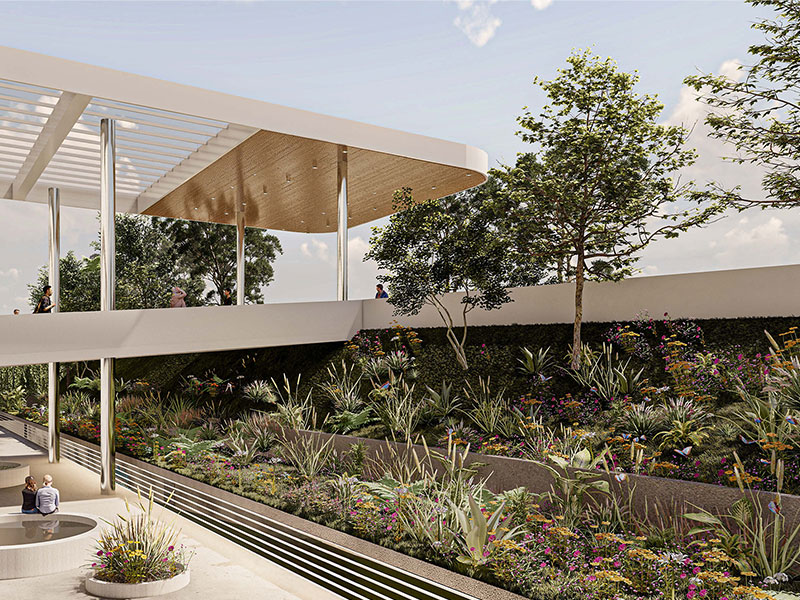
That is why more and more projects are incorporating natural light, exterior views, materials with texture and tactile qualities, proper ventilation, vegetation, and spaces that allow different ways of inhabiting the same environment.
More than a design trend, this means recognizing a fundamental human need: the search for environments that make us feel better.
Offices: Designing Reasons to Return
Few typologies reflect this transformation better than offices.
For decades, physical presence was an inherent condition of work. Today, it no longer is. According to Microsoft’s Work Trend Index, 73% of knowledge workers want to maintain flexible work arrangements.
In this scenario, the workplace needs to offer more than infrastructure.
Why commute to an office if many tasks can be done from home?
The answer is often found in what is difficult to digitize: organizational culture, informal learning, collective creativity, spontaneous collaboration, and a sense of belonging.
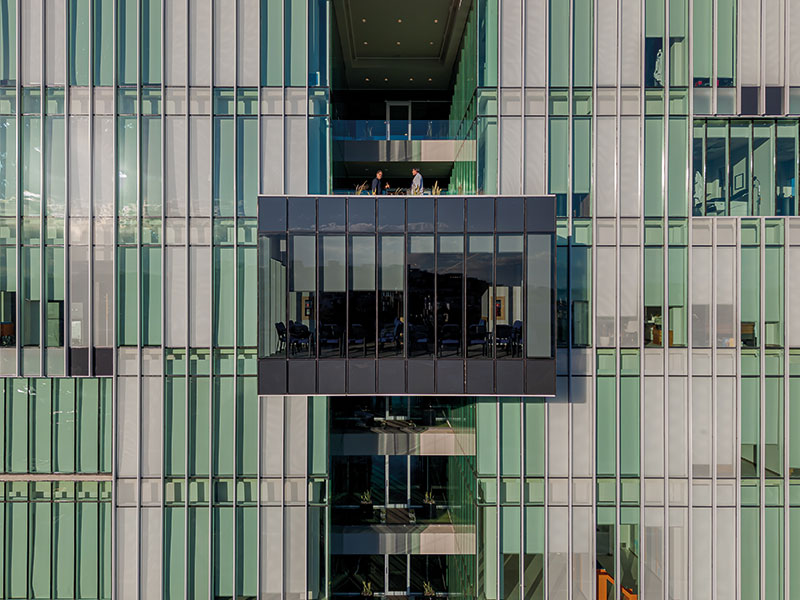
That is why offices are evolving into ecosystems that integrate collaborative spaces, focus areas, lounges, cafés, terraces, acoustic booths, and environments capable of responding to different work dynamics.
Architecture is no longer only a support system. It becomes a tool for attracting and retaining talent.
____________________________________________________________________________________
Are you evaluating a project of this kind? We can share our learnings with you.
Download the 120 Minutes Corporate Conversatory
____________________________________________________________________________________
Retail: When Staying Creates Value
Retail is undergoing a similar transformation.
According to Forrester projections shared by MIT Sloan Management Review, nearly 80% of global retail sales will continue to take place in physical stores in 2025. The reason is simple: shopping is not always a transaction. Often, it is an experience.
JLL’s Experience Matters 2024 survey indicates that 67% of consumers prefer shopping in person rather than online, while 65% are willing to pay more for higher-quality experiences.
In this context, the store is no longer only a point of sale. It becomes a place for exploration, discovery, and interaction.
Permanence then becomes an indicator as relevant as purchase. The more meaningful the experience, the greater the probability of building a lasting relationship between people, brands, and places.
This evolution can also be observed in mixed-use developments, where retail, housing, services, and public space no longer operate as independent programs, but instead build more active urban ecosystems.
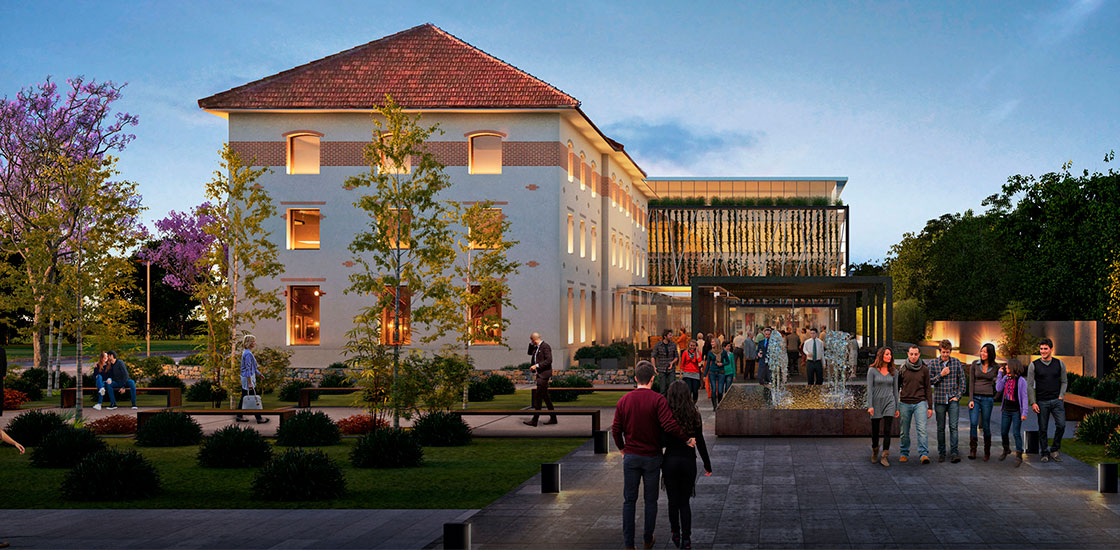
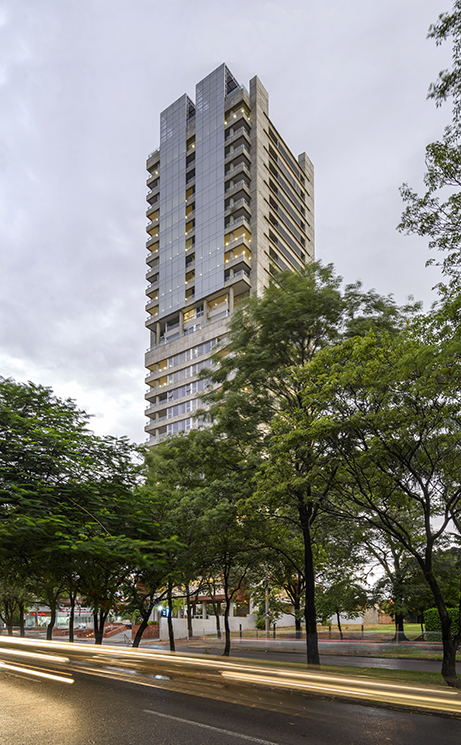
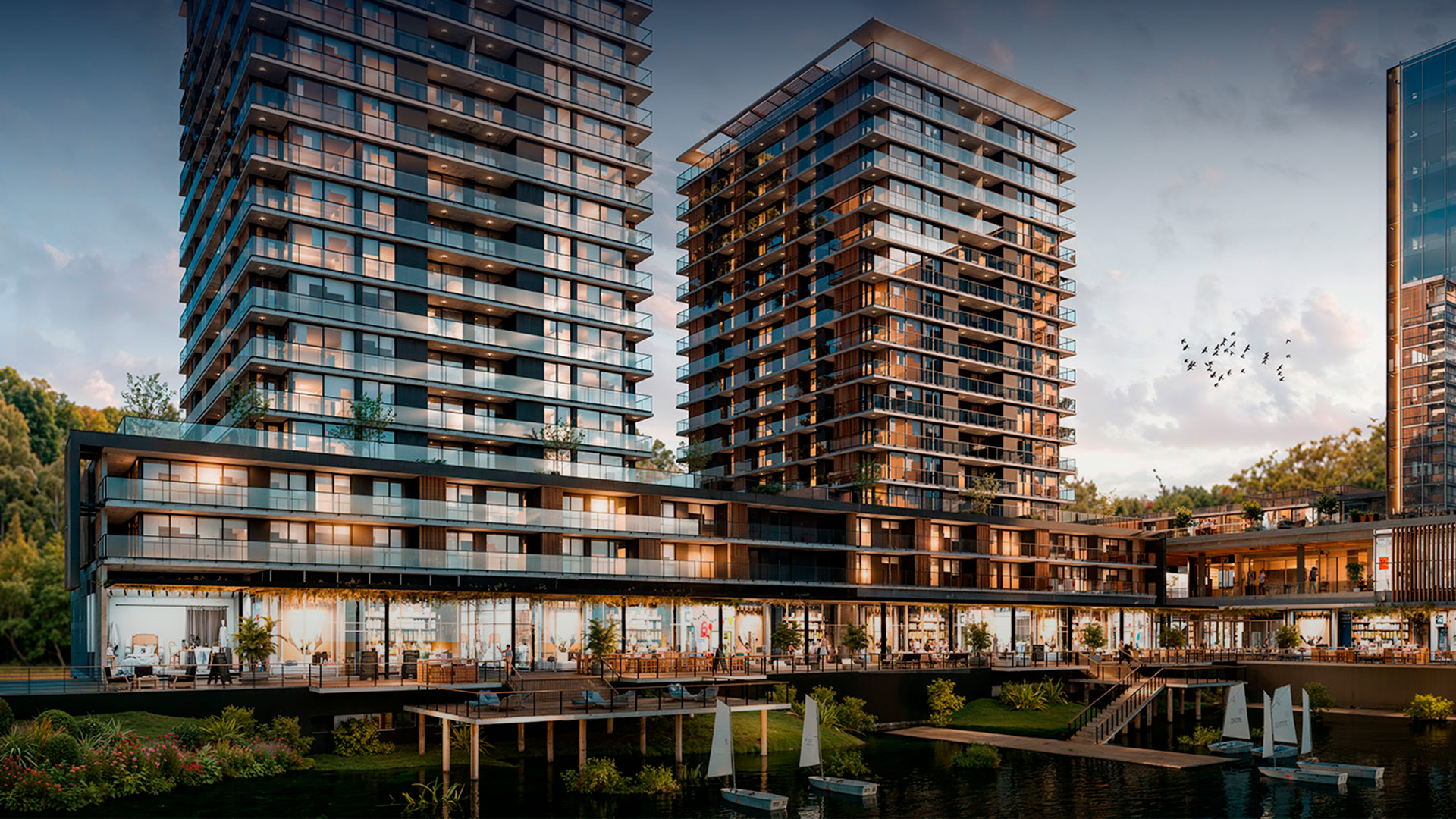
Nuevocentro, in Montevideo, is an example of this logic. The project transformed a former industrial site into a commercial and residential hub capable of multiplying reasons to visit, extending dwell time, and strengthening the relationship between program, neighborhood, and city.
Internationally, Apple Stores have taken this logic a step further. Their spaces were conceived to encourage exploration, learning, and interaction with the brand, even when there is no immediate intention to purchase. There, experience becomes part of the product.
Healthcare and Hospitality: Spaces That Support
Experience-centered design is also gaining relevance in healthcare spaces.
Unlike other programs, hospitals, clinics, and medical centers often receive people going through moments of uncertainty, vulnerability, or emotional stress. In these cases, spatial experience is no longer a complementary aspect; it becomes an essential dimension of care.
That is why more and more projects incorporate natural light, exterior views, warm materials, intuitive circulation, more human waiting areas, spaces for companions, and a stronger presence of nature.
The question is no longer how to make a hospital look like a home, but how to design spaces capable of conveying calm, trust, and support when people need it most.
Hospital Ángeles Chihuahua offers a way to observe this approach applied to a highly complex program. Beyond functional efficiency, the challenge lies in designing an environment capable of supporting patients, companions, and medical teams in particularly sensitive situations.
Designing Spaces Where People Want to Stay
What we are observing is not only an evolution in design. It is a deeper transformation in the relationship between people and physical spaces.
For decades, offices, hotels, clinics, and stores were conceived primarily as infrastructures for working, selling, hosting, or providing services. Today, something more is expected of them: to build experiences capable of justifying presence.
In an increasingly digital economy, the question is no longer what activities a space can host, but what experiences it can offer that cannot be replicated behind a screen.
The most successful projects are no longer defined only by efficiency or by the quality of their programs. They are defined by their ability to generate connection, well-being, and a desire to stay.
In a context where attention is increasingly scarce and virtuality solves a growing number of activities, designing spaces where people want to stay is no longer an aesthetic matter. It is a competitive advantage.