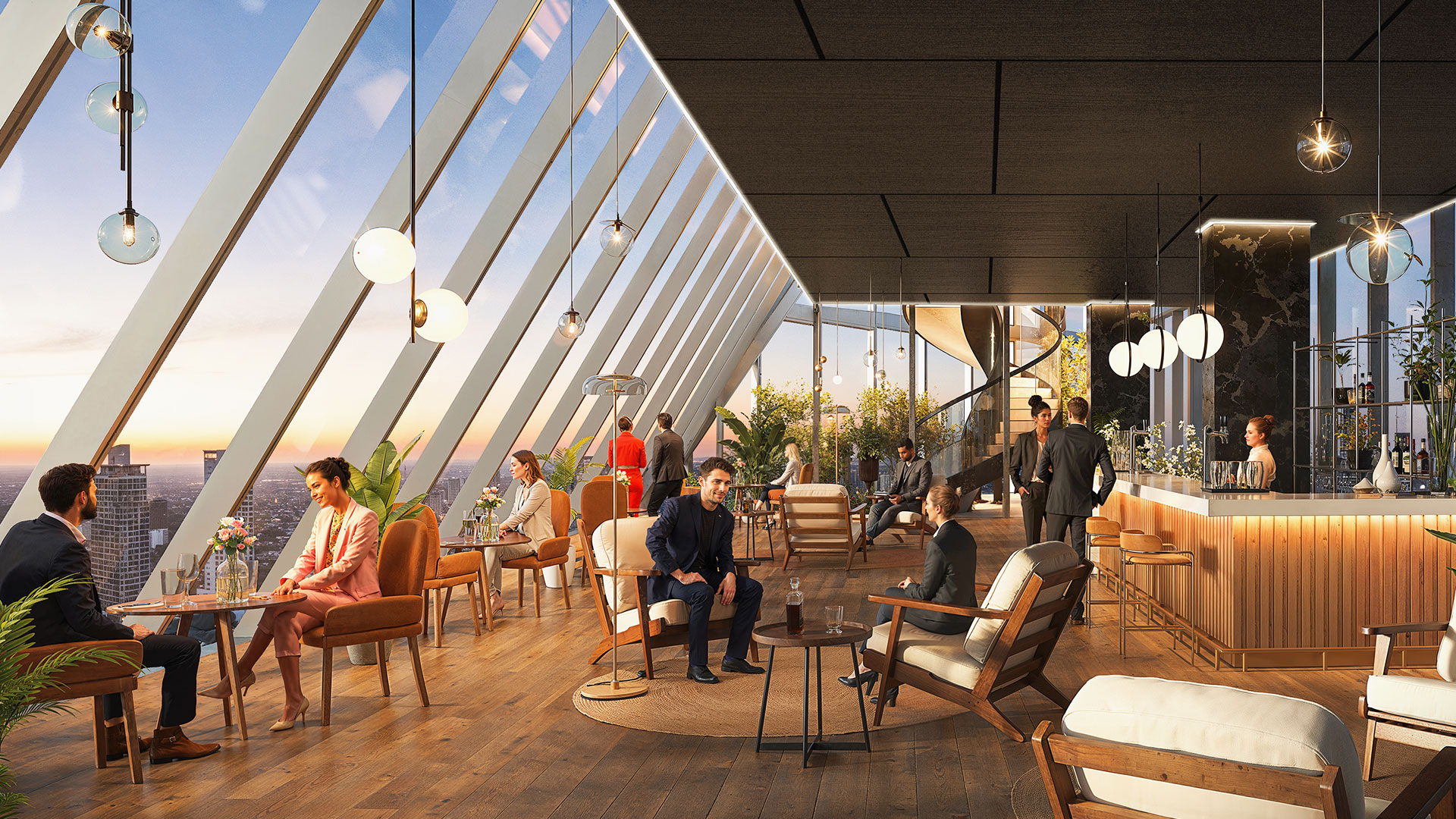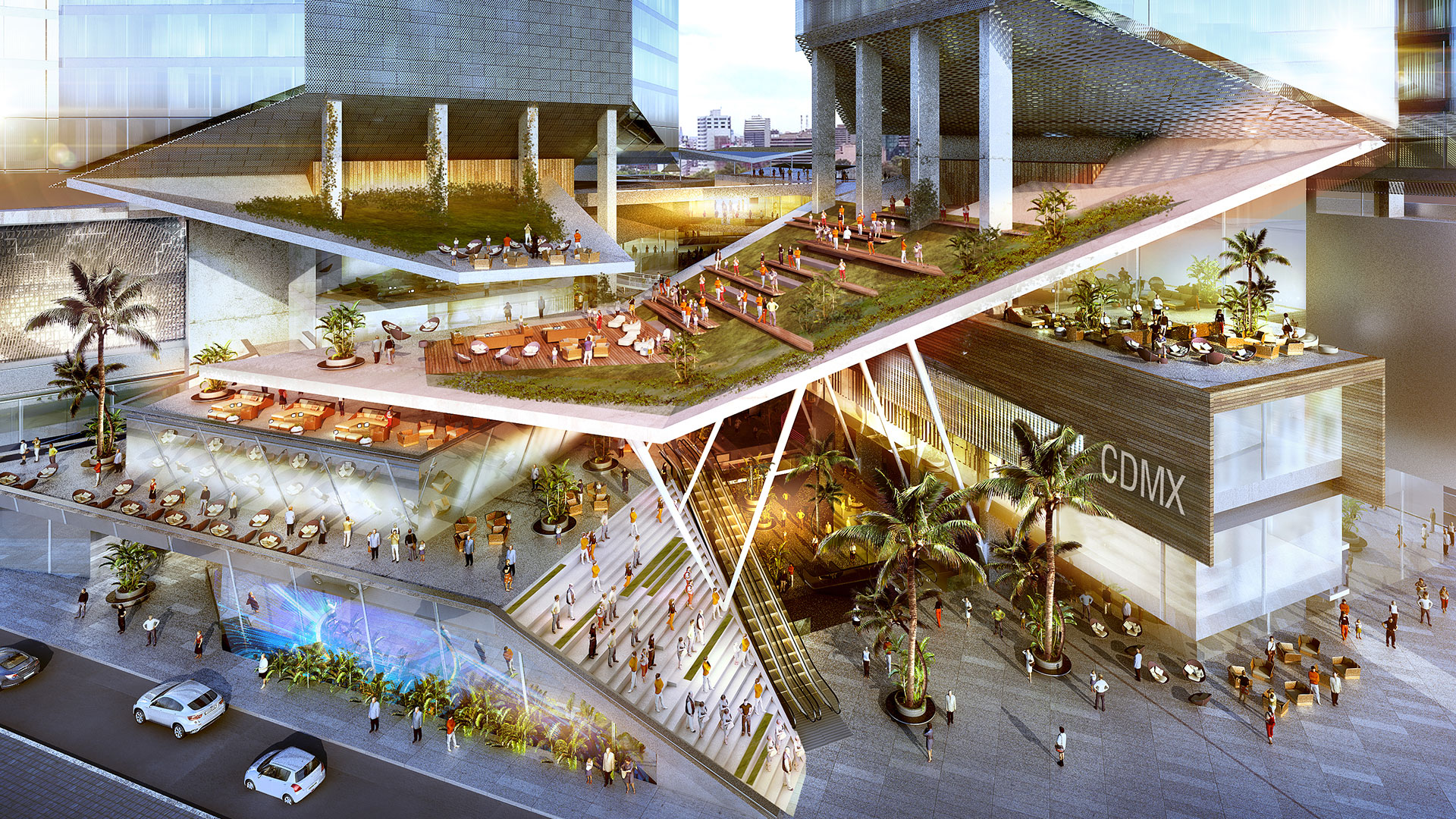
Where are friendships woven when they are born neither at home nor at work? Where do we go when we want to leave home but still feel “at home”? Third places —the neighborhood bar, the square from childhood, the station café where we arrive a little early and leave a little late— are once again revealing themselves as essential infrastructure for connection and urban value.
Reading time: 11 minutes
Where do we go when we want to meet without an agenda, talk at the usual hour, or simply share the city? These places —the bar where the regulars meet for breakfast, the bench in the square that keeps “the friends from the block” together, the cultural venue with its unwavering program— work as cultural metaphors for what American urban sociologist Ray Oldenburg called “third places”: public yet familiar environments where horizontal ties are forged, ideas are tested, and urban rituals are created. When these pieces fail, the city loses social density; when they work, they increase resilience and collective value.
From Oldenburg to the crisis of third places
Ray Oldenburg coined the concept of third places in the late twentieth century to name the need for accessible, affordable, and regular places in a culture that was becoming increasingly domestic and atomized. That theory, introduced in his book The Great Good Place (1989), gained new urgency in 2020: the pandemic emptied the ground floor and collapsed pedestrian flow. Google’s mobility reports recorded declines of up to 80% in visits to leisure and recreation venues during the strictest lockdowns, stark evidence of how dependent urban life is on those everyday nodes.
At the same time, research on the impact of isolation and the reclaiming of physical contact —including work driven by researchers at Harvard University— highlighted the importance of hugging, proximity, and face-to-face encounters for relational health and the social fabric. From that collision, another opportunity emerged: the rise of remote work and hybrid models revalued informal settings for gathering. Cafés with wifi, neighborhood coworking spaces, and lobbies operating as public rooms began to occupy the place left vacant by traditional third places.
Digital nomadism accelerated this shift: according to MBO Partners’ State of Independence (2023), millions of workers in the United States identify as digital nomads, while market compilations such as Statista estimate tens of millions of nomads worldwide. In addition, a significant share of the workforce able to work remotely continues to operate under remote or hybrid schemes after the pandemic. This new contingent —seeking connectivity, flexible schedules, and places with a sense of ritual— explains why cafés with wifi, neighborhood coworking spaces, and operational lobbies have become functional third places.
Architecture’s response
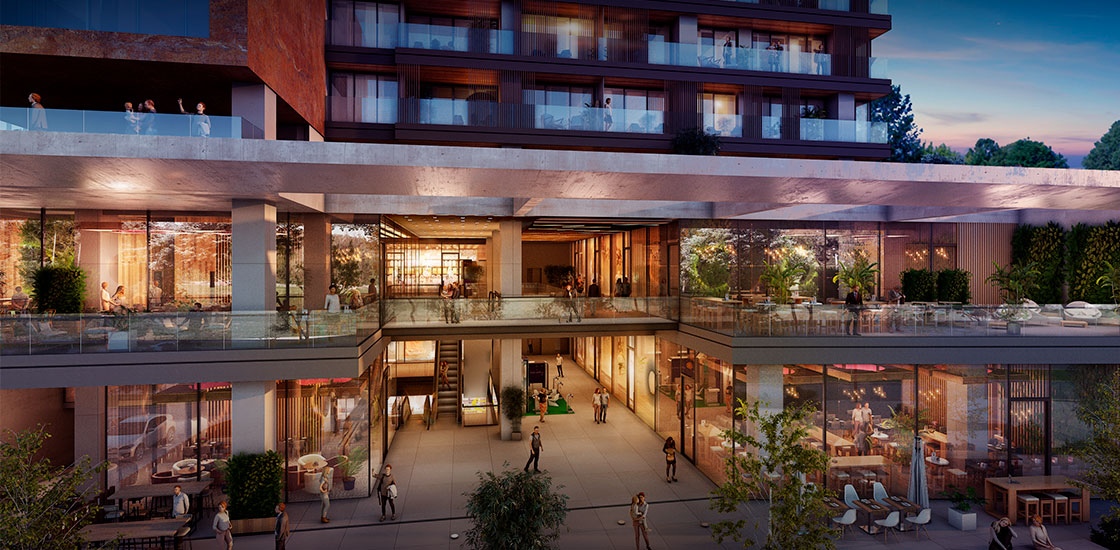
Rather than simply adding isolated uses, contemporary architecture responds by reorganizing the ground floor as a system of mediation between building and city. It is no longer understood solely as a plinth, an entrance, or a technical edge, but as an element capable of absorbing transitions, blending different times of use, and building urban hospitality through transparency, porosity, environmental comfort, and programmatic diversity.
Urban design is not only redefining access and public-use amenities; it is also reimagining thresholds.
- Revitalized squares: Bryant Park or the reconversion of European plazas that incorporate flexible furniture and cultural programming, activating permanence.
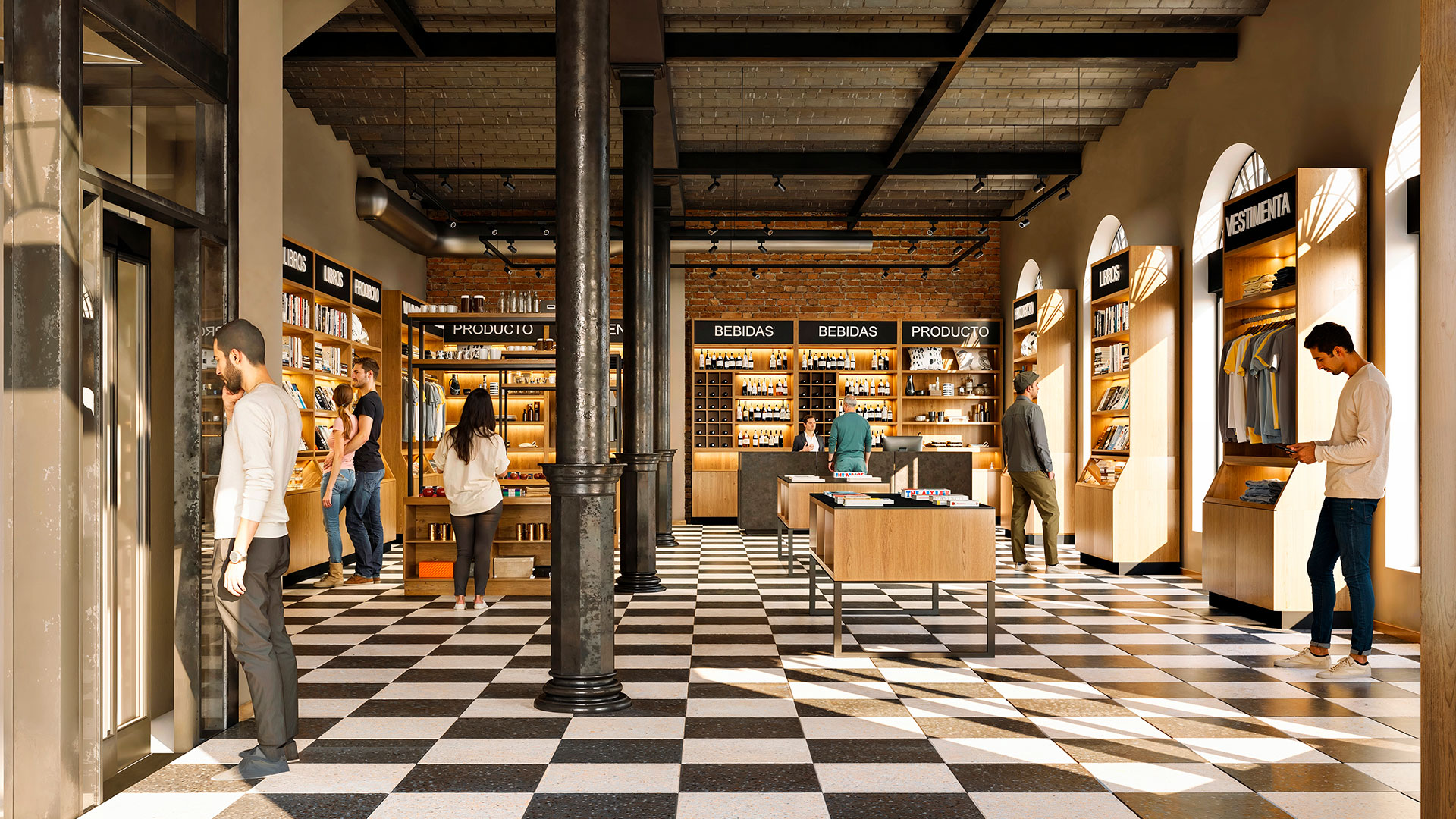
- Residual lobbies: hotel and office-building lobbies that operate as public rooms, with cafés, bookstores, and spontaneous coworking.
- Cult cafés and bars: the venues that, at six in the evening, set permanent urban rituals in motion and create territorial social networks.
- Local coworking spaces: environments that combine work, coffee, and micro-retail, designed for nomads seeking sociability as much as connectivity.
These examples are not anecdotal: the steady presence of third places improves footfall, dwell time, and local spending, while reshaping expectations around safety, comfort, and programmatic variety in public and shared-use spaces.
Shared space as a generator of value
Third places generate value across three complementary dimensions:
- Social: they foster social capital, reduce urban loneliness, and multiply serendipity.
- Economic: they activate local microeconomies, increase dwell time, and improve the commercial viability of street fronts.
- Urbanistic: they increase porosity and perceived safety thanks to the “informal oversight” provided by everyday life.
In design terms, this requires active frontages, smooth transitions between interior and street, programmatic flexibility, and management strategies that blend public and private without eroding what is shared.
In this shift, designing no longer consists only of solving a program, but of creating open, legible, and adaptable conditions of use. The contemporary ground floor thus becomes an infrastructure of exchange: a support where architecture, landscape, commerce, and everyday life overlap to produce urban value beyond the strict boundary of the building.
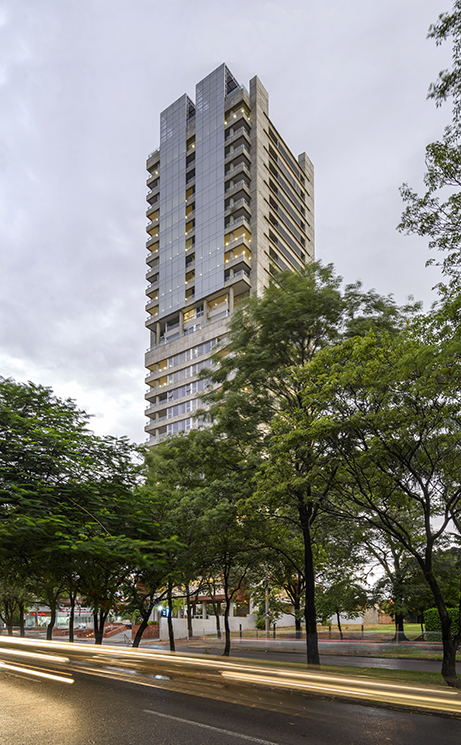
In his doctoral thesis The Lower Levels of Tall Buildings, Argentine architect Marcelo Faiden focuses on the zone where the tower meets the street. He argues that much of the relationship between building and city is defined there, because that is where access, circulation, uses, and ties between public and private are mixed.
The main idea is that these “lower levels” are not merely the ground floor, but a broader space of connection between architecture and the urban environment. Faiden reaffirms the need for a design approach centered on this threshold so that vertical architecture can integrate in a richer and more useful way into city life.
The ground floor as an urban interface
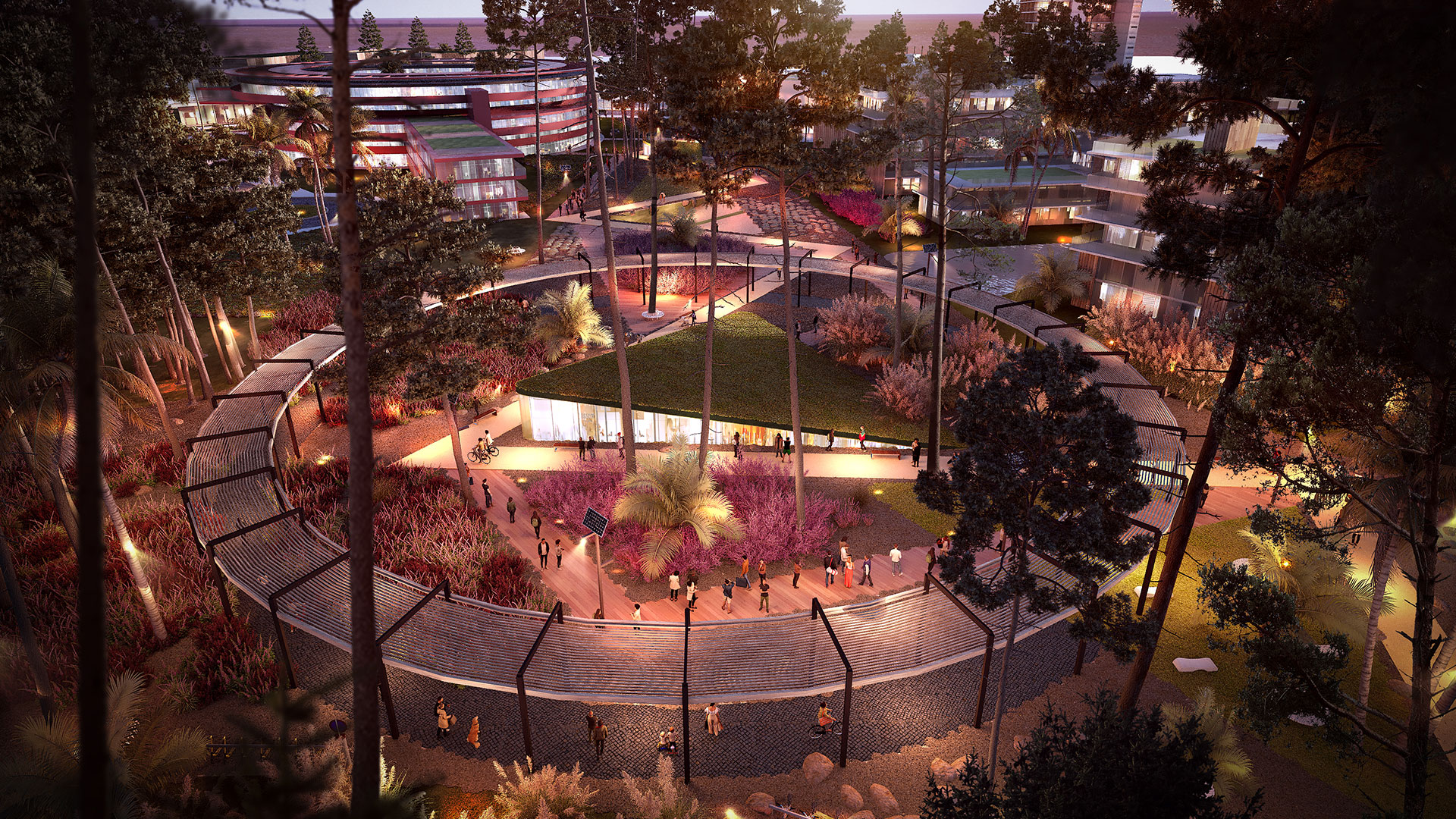
The trends now reorganizing the ground floor no longer respond to a single functional logic, but to an overlap of layers: work, waiting, consumption, sociability, pause, and circulation. At this intersection, architecture stops designing only entrances or active edges and begins to shape ecosystems of permanence, where value lies not only in entering, but in being able to stay, return, and recognize a ritual of use.
- Hybridization: lobbies, retail, and coworking overlap to create a continuous third place. It is no longer about adding programs, but about making them compatible in time and atmosphere: working in the morning, meeting at midday, staying afterward.
- Ritual programming: cafés with recognizable hours, events, and routines that encourage repeated encounters and turn use into habit. It is no coincidence that places such as Bryant Park in New York receive more than 12 million visitors a year: permanence depends not only on physical design, but also on the ability to sustain activity, frequency, and a public reading of the place.
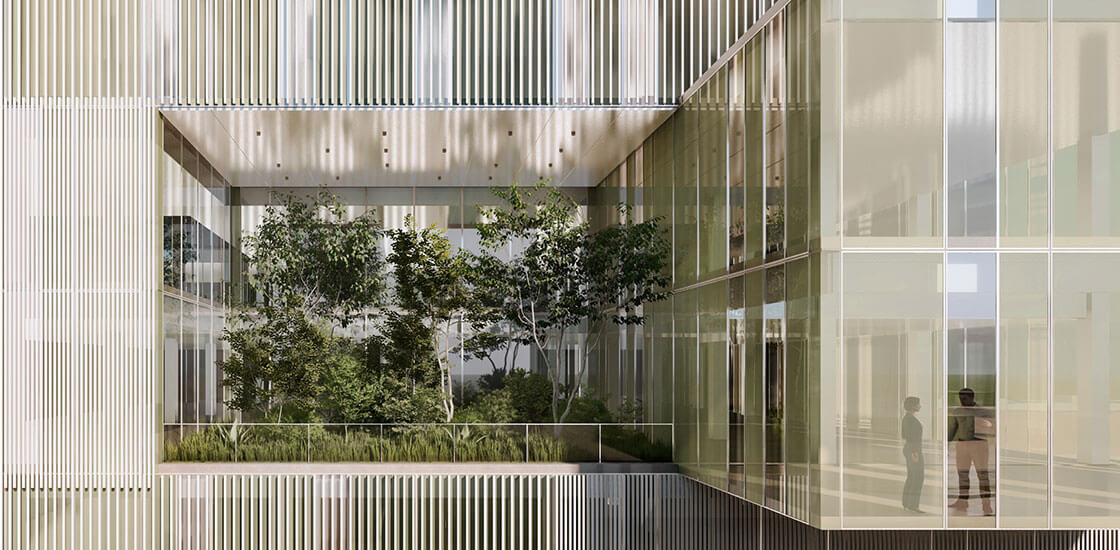
- Threshold design: stairs, terraces, galleries, canopies, and setbacks that do not merely resolve transition, but build gradients between inside and outside. They are devices of urban hospitality: they filter, invite, provide shade, enable pause, and make the relationship between building and street more porous.
- Comfort as social infrastructure: wifi, power outlets, gentle climate control, flexible furniture, good acoustics, and visible access are no longer secondary amenities; they become conditions of use. The quality of the contemporary third place is determined as much by its atmosphere as by its ability to host long and changing stays.
- Social sustainability: projects that understand sustainability not only as environmental performance, but as a condition for social and economic operation. An active ground floor extends hours, diversifies publics, improves the perception of safety, and strengthens urban microeconomies linked to permanence.
- Digital + physical: the screen does not replace physical presence; it complements it. This shift explains why demand is no longer concentrated only in offices or traditional cafés, but in hybrid spaces that offer connection, comfort, and also a certain shared rituality.
Designing for what happens and for what we want to happen
Designing third places means designing the conditions in which bonds, rituals, and small yet powerful economies can happen. The “reinvention” of the ground floor is not nostalgia: it is urban strategy and tangible return. If architecture recovers the ability to convene, the city recovers its fabric —not only as a setting, but as the protagonist of collective life.
Designing for what happens means recognizing architecture’s potential to host existing practices, but also to anticipate and encourage desirable dynamics: more mixing, more permanence, more exchange, more urbanity.