REBS Guatemala: Inspiration, Vision, and Real Estate Business
The latest edition of REBS Guatemala has established itself as the premier venue where the country’s real estate ecosystem connects, stays up to date, and looks toward the future.
Reading time: 2 minutes
Set in the exclusive natural surroundings of El Pulté Golf, REBS Guatemala—organized by Inmobiliare—hosted an edition that became the region’s key meeting point for networking and professional development in the real estate sector. Renowned for bringing together the industry’s leading players, the event spanned two days designed to foster idea exchange, business generation, and collective inspiration.
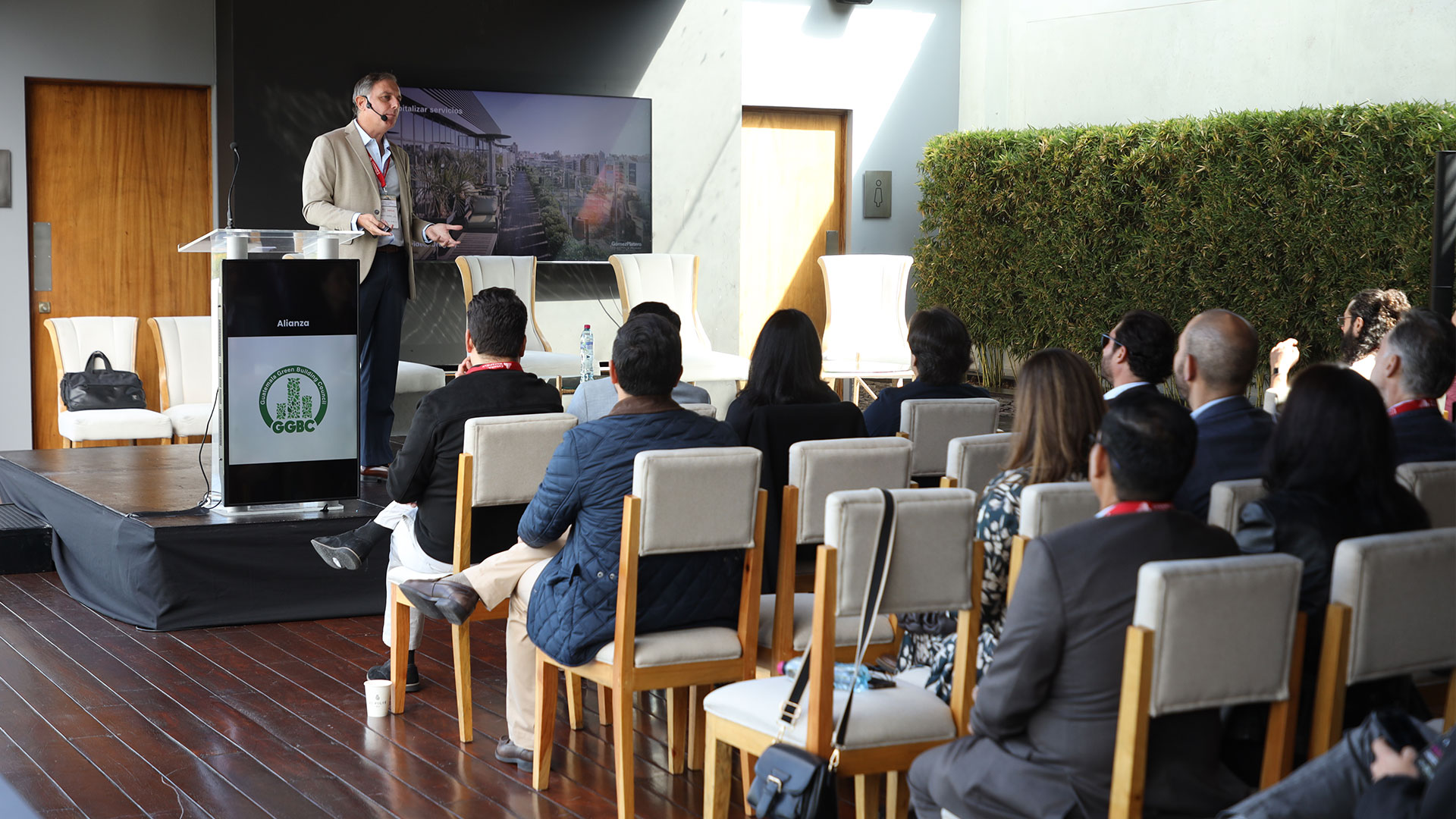
The first day was dedicated to networking and welcoming participants, providing a relaxed environment for establishing strategic contacts and strengthening relationships among developers, investors, architects, and other industry professionals. The second day focused on conferences and themed panels, where the major topics currently shaping the real estate market were discussed.
Discover other GP participations at REBS
Key themes at this edition of REBS Guatemala included infrastructure development as a driver of growth and sustainability, innovation and collaboration in the real estate sector, the importance of ESG criteria and environmental certification in projects, the role of urbanization and master plans for smart cities, and future perspectives for real estate development in Guatemala. All proposals were geared toward viable, orderly solutions, aiming to provide a strategic and sustainable vision for the sector.
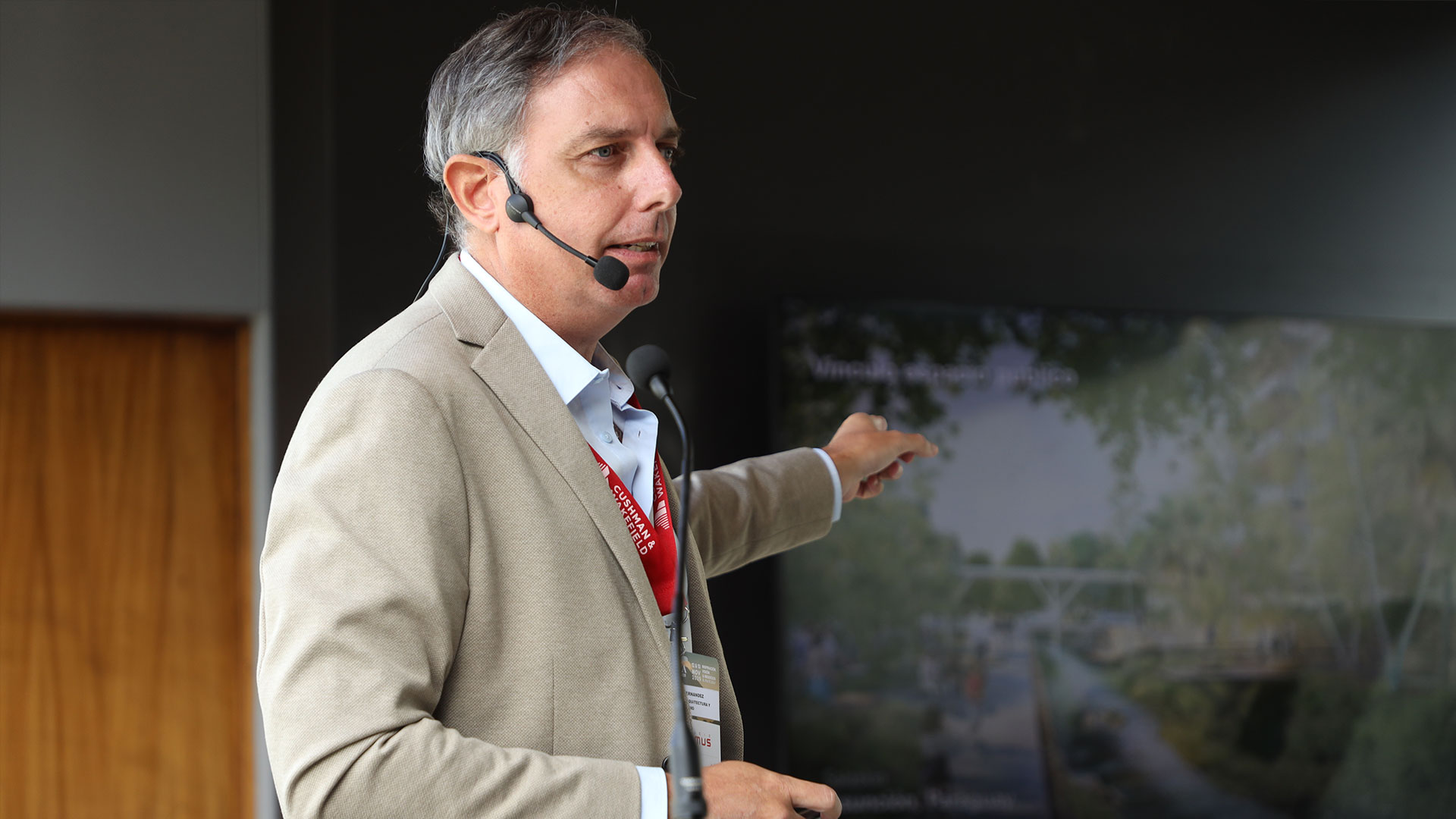
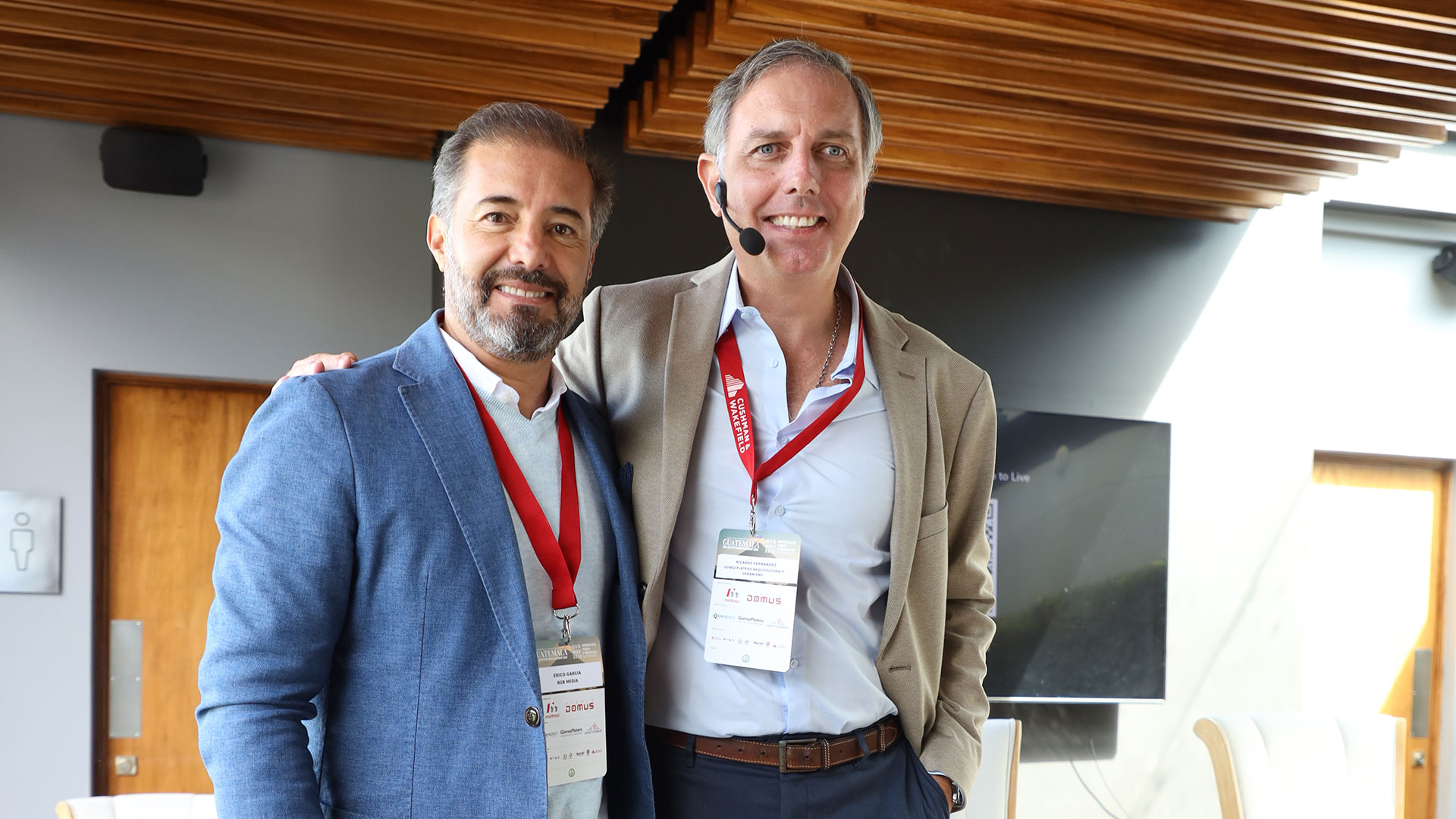
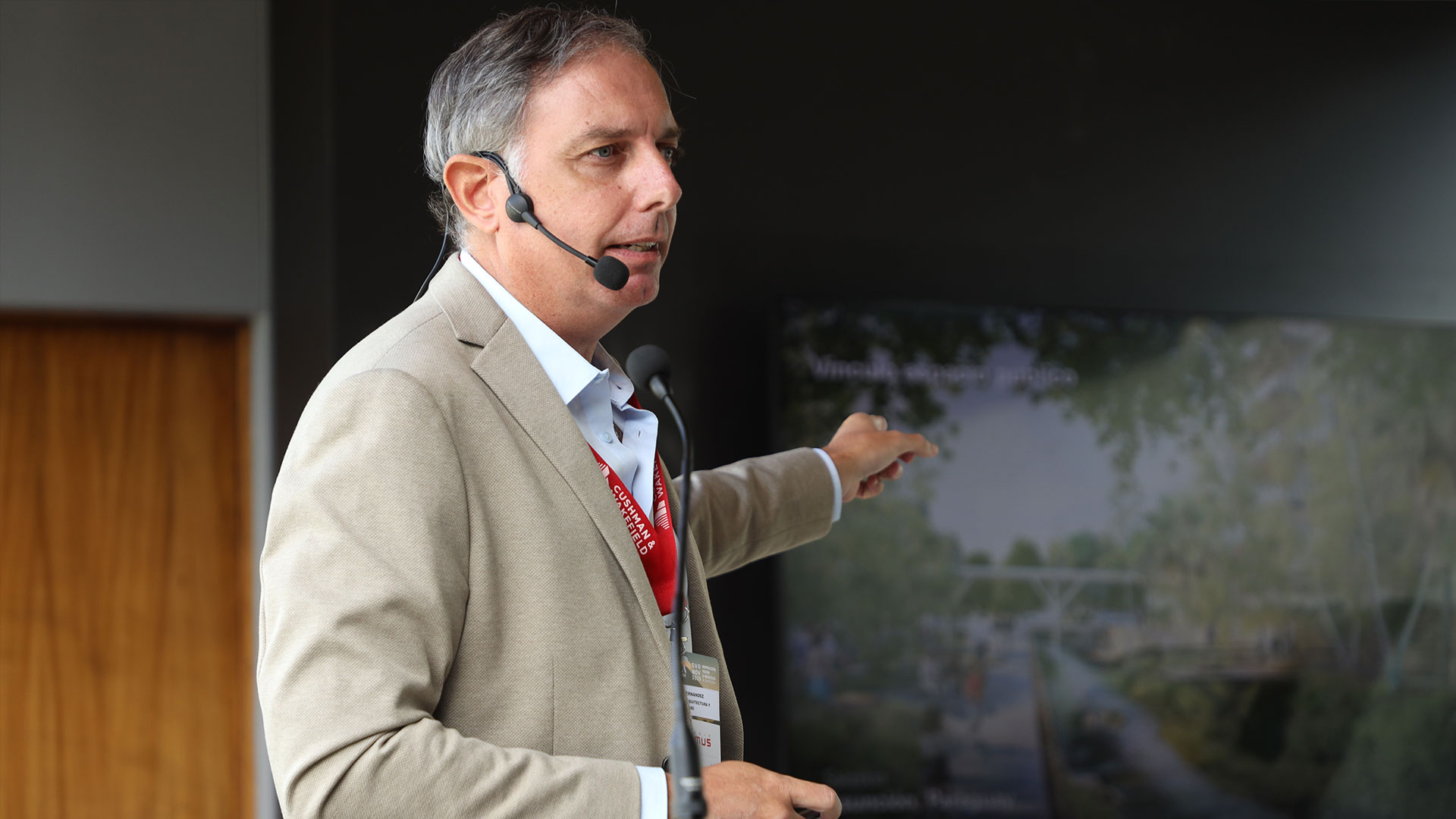
This year, Gómez Platero contributed with the talk “New Frontiers in Real Estate: Driving Innovation,” presented by Ricardo Fernández, Business Development Manager for the Americas at the firm. In his presentation, Fernández explored the value of the square meter from two complementary perspectives: the developer’s, focused on costs and margins, and the end user’s, centered on price and the quality of living space. This comprehensive approach aimed to provide decision-making tools for an increasingly competitive and demanding market.
Trends and Opportunities in the Guatemalan Real Estate Market
According to the Unión de Créditos Inmobiliarios (UCI), a 10% growth in mortgage operations was forecast, surpassing the threshold of 400,000 active mortgages. This dynamism was accompanied by a steady increase in purchase and rental prices, driven by limited supply, though without abrupt spikes. UCI estimated that sale prices could rise by around 5%, while rents might increase by up to 10%, especially in high-demand areas such as major cities and coastal regions.
Vertical housing development in Guatemala City continued to progress, making this type of housing more accessible. Over the past three years, the sector has seen two significant regulatory changes, most notably the creation in 2024 of the First Home Acquisition Fund (FAPRIVI), promoted by the Guatemalan government and managed by the National Mortgage Credit, with an initial allocation of Q.500 million (US$65 million) to facilitate access to credit for first-time homebuyers.
Outside the metropolitan area, intermediate cities such as Quetzaltenango, Huehuetenango, Cobán, Escuintla, and Retalhuleu have emerged as new urban development hubs, experiencing strong growth and offering multiple opportunities for real estate investment.
The profile of international buyers has also diversified. Although the end of the ‘golden visa’ program did not have a significant impact on the market, there has been an increase in investors from France, Nordic countries, the United States, and Latin America, in addition to the traditional British and German buyers. This shift has opened new opportunities in areas beyond the usual tourist destinations.
For 2025, significant growth is projected in new construction, with a particular emphasis on “build to rent” models and the adoption of industrialized and modular construction systems, in response to the need to expand the supply of affordable housing.
Among the main challenges for real estate development in the Guatemala City metropolitan area are the creation of efficient mass transit systems and the consolidation of urban planning and land management—key factors for sustainable and orderly urban growth.