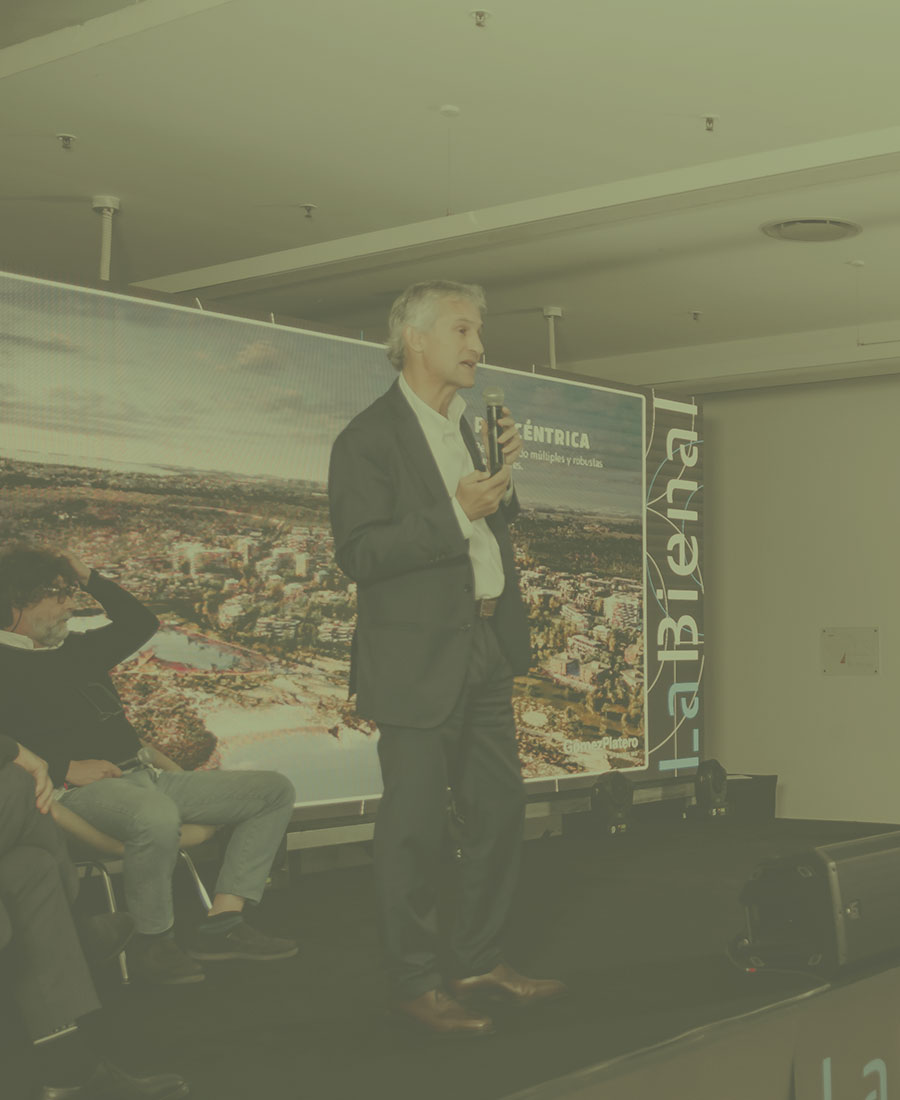
GP at BOOOM 2025: The Future of Real Estate in Guatemala
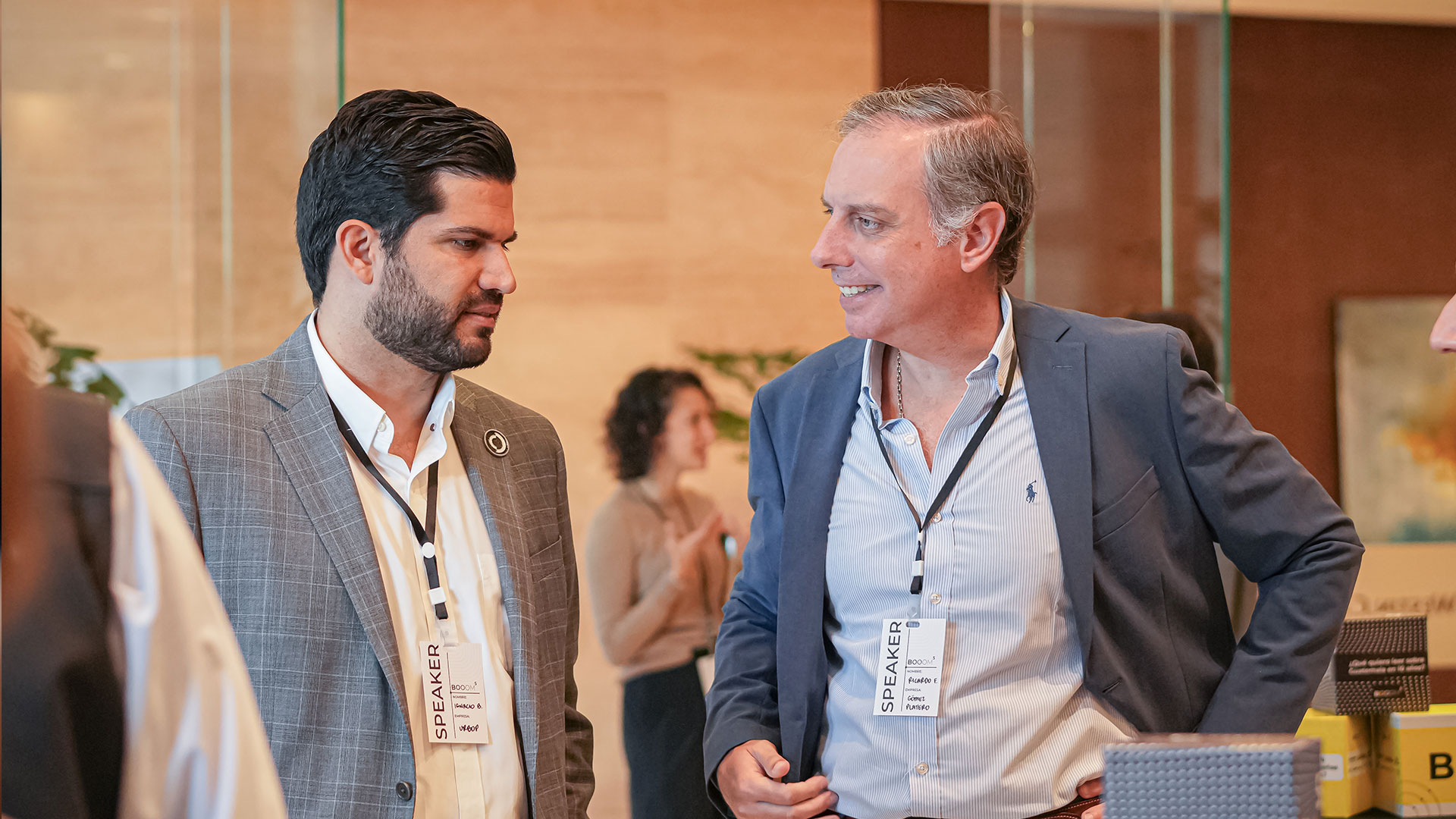
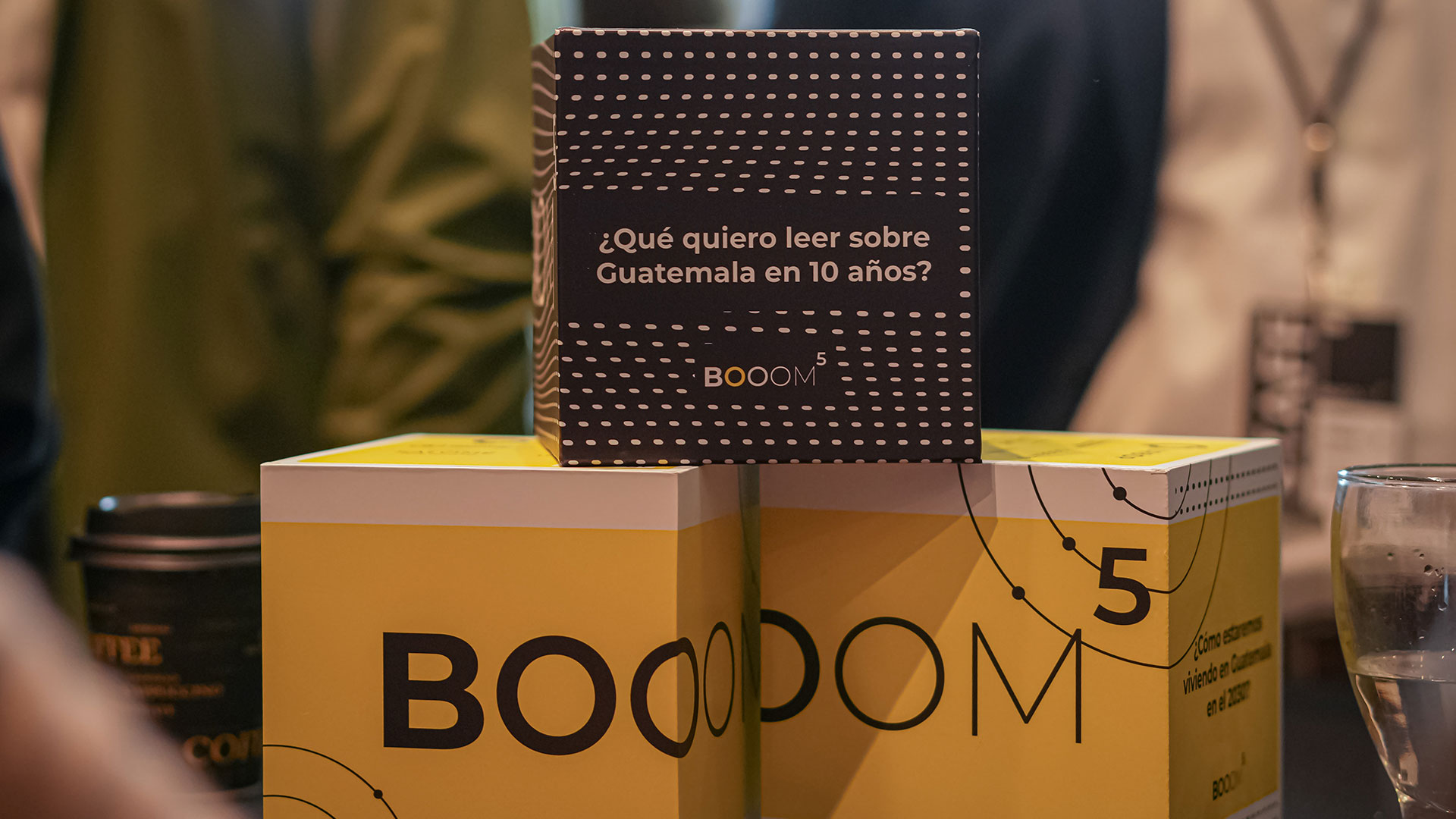
On Wednesday, November 12, the 5th edition of BOOOM 2025 took place—Guatemala’s leading real estate and property investment event organized by URBOP. The gathering was held at the Westin Camino Real Hotel and brought together key industry figures to discuss the future of the country’s real estate market.
Reading time: 2 minutes
BOOM 2025, organized by URBOP, brought together leaders and specialists from Guatemala’s real estate sector to analyze the challenges and opportunities facing the industry through 2030. This year’s edition was held at the Westin Camino Real Hotel in Guatemala City.
The exclusive, invitation-only event featured a program of short talks and panels focused on key topics for real estate development, innovation, and the regional economy. Topics included the current context in Guatemala, innovation in Latin American cities, construction labor, the development of hospitality and tourism, and global economic outlooks. The event also explored case studies, trends, and opportunities for real estate in the Latin American context, with a special focus on how Guatemala is adapting to these new urban paradigms.
See other GP participations at BOOOM
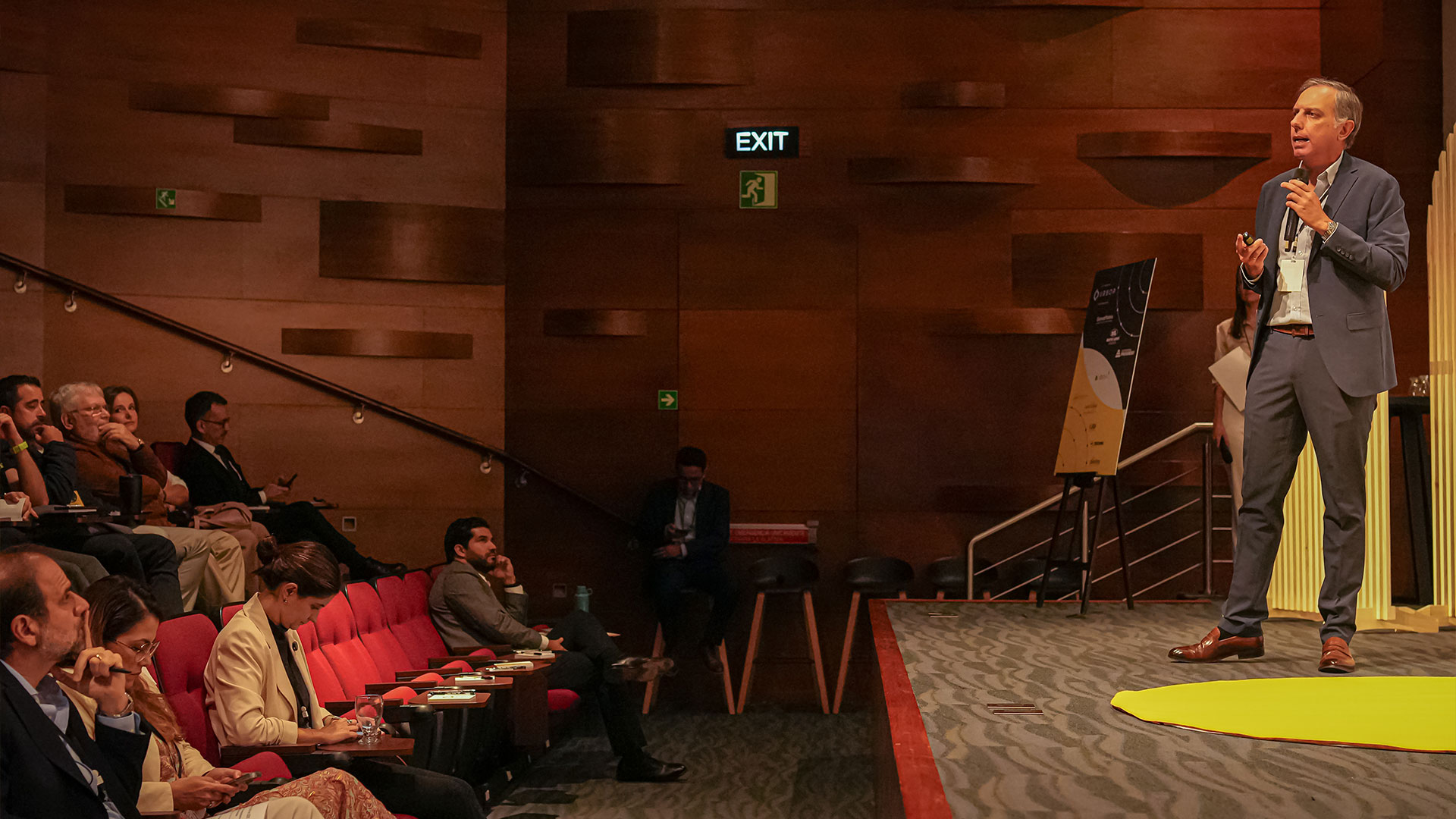
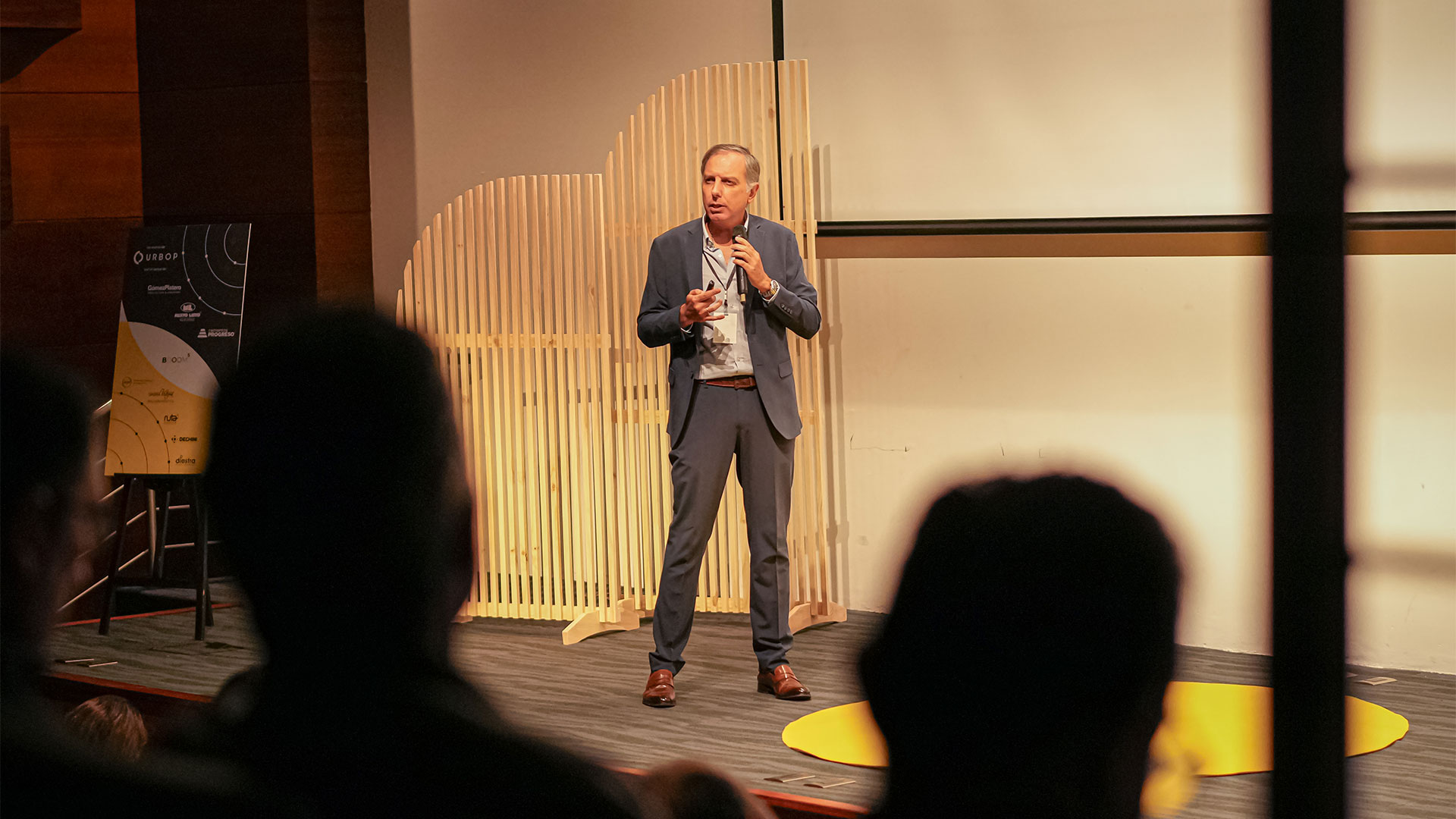
In this edition, Gómez Platero participated with the talk “Redrawing the Future: Opportunities in LATAM,” presented by Ricardo Fernández, Business Development Manager for the Americas at the firm. The presentation focused on the development of smart cities in Latin America and how urban innovation can impact quality of life and the development of cities across the region.
The Real Estate Market in Guatemala: Key Data
According to a report by 4S Real Estate, Guatemala’s real estate market is undergoing a period of transformation, driven mainly by housing demand and the need to adapt supply to new consumer realities. In 2023, the supply of vertical housing in Guatemala City grew by 6%, with more than 4,000 new units launched to the market. However, the main challenge remains aligning supply with the real purchasing power of the population, as 70% of potential demand is concentrated in housing segments priced below US$100,000.
The report also notes that 60% of residential projects under development are focused on the metropolitan area, while the country’s interior is beginning to show growth opportunities, especially in intermediate cities. Additionally, the trend toward mixed-use projects and flexible spaces continues to rise, in response to new work and consumption dynamics.
In the office and commercial space segment, absorption remains stable, although there is a growing preference for strategic locations and formats adapted to post-pandemic needs. The sector faces the challenge of innovating in products and business models to meet an increasingly demanding and diverse market.