GP at Club A&D: How do we build the cities we want to live in?
Reading time: 2 minutes
In its second episode, hosted by Diego Flores, Director of AYD and Revista Arché, the conversation began with a broad question: how do we build the cities we want to live in? Drawing on the transformations taking place across Montevideo, Canelones and their metropolitan area, the discussion explored the relationship between planning, investment, architecture, mobility, public space and quality of life.
From the public-sector perspective, Francisco Legnani, Mayor of Canelones, focused on population growth, infrastructure and the need to anticipate new urban demands. Canelones increased its population by 13% between the two most recent censuses, while Ciudad de la Costa is home to approximately 115,000 people, in a territory where residential expansion coexists with new commercial, logistics and real estate investment. In this context, he highlighted the role of sanitation, mobility and coordination between different levels of government and the private sector in supporting development.
From a real estate perspective, real estate developer Juan Antonio Damiani emphasized the importance of planning that can accompany growth rather than simply reacting once it has already taken place. Regulations, zoning and coordination with the public sector emerge, in his view, as tools to guide development without losing sight of the real dynamics of the city and the market. He also argued that the developer’s role does not end at the boundaries of a site: public space, the surrounding environment and the possibility of leaving behind a better city are all part of the value of each project.
Martín Gómez Platero, President and Executive Director of GP, emphasized the need to think about territory through a metropolitan and polycentric logic. Montevideo and Canelones increasingly function as a single urban reality, where planning must recognize new urban centers and anticipate how the ways we live, work and move are evolving. For Gómez Platero, architecture and development can create a model in which both the city and private investment benefit, supported by high-quality public spaces and projects that are integrated into their context.
Density was another key topic in the discussion. Rather than understanding height as inherently positive or negative, the conversation highlighted the importance of defining where and how to increase density. New urban centers can enable more efficient use of infrastructure and services, while mixed-use developments bring together housing, offices, hospitality, retail and public space to create urban areas that remain active for longer periods of the day. The challenge lies in balancing that intensity with landscape, greenery and the specific characteristics of each place.
Mobility completes this perspective. Urban growth changes distances, travel times and the relationships between territories that may be administratively separate but, in practice, form part of the same everyday dynamic. The conversation addressed the need to improve metropolitan transport and to understand connectivity as a central component of quality of life and of decisions about where to live, work and invest.
The three perspectives converge around a common challenge: how to guide the growth of cities through an integrated approach capable of connecting planning, investment, architecture, mobility and quality of life. The discussion points toward an urbanism that does not merely respond to expansion, but seeks to anticipate it: defining where to increase density, creating new urban centers, integrating uses, improving public space and better connecting territories.
Within this context, Ciudad de la Costa appears as part of a broader metropolitan transformation. Administrative boundaries are becoming increasingly less relevant in the face of the everyday dynamics of mobility, housing, work and investment, opening up the possibility of thinking about cities as more connected, polycentric and complementary systems.
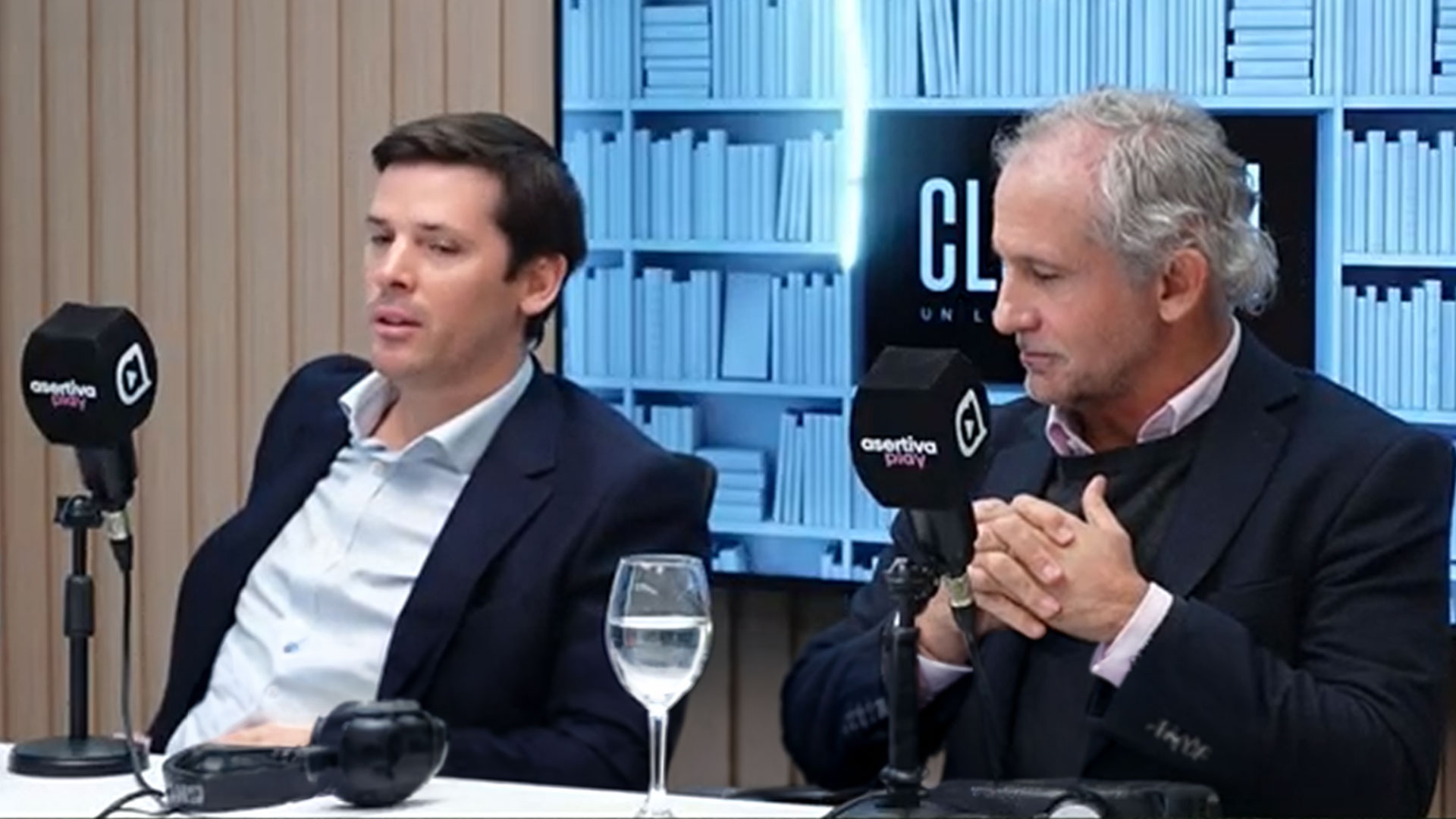
The Club AYD video podcast brought together Francisco Legnani, Mayor of Canelones; Juan Antonio Damiani, Director of DDC Desarrollos; and Martín Gómez Platero, President and Executive Director of Gómez Platero Arquitectura & Urbanismo, to discuss the transformation of Ciudad de la Costa and Uruguay’s evolving metropolitan configuration.