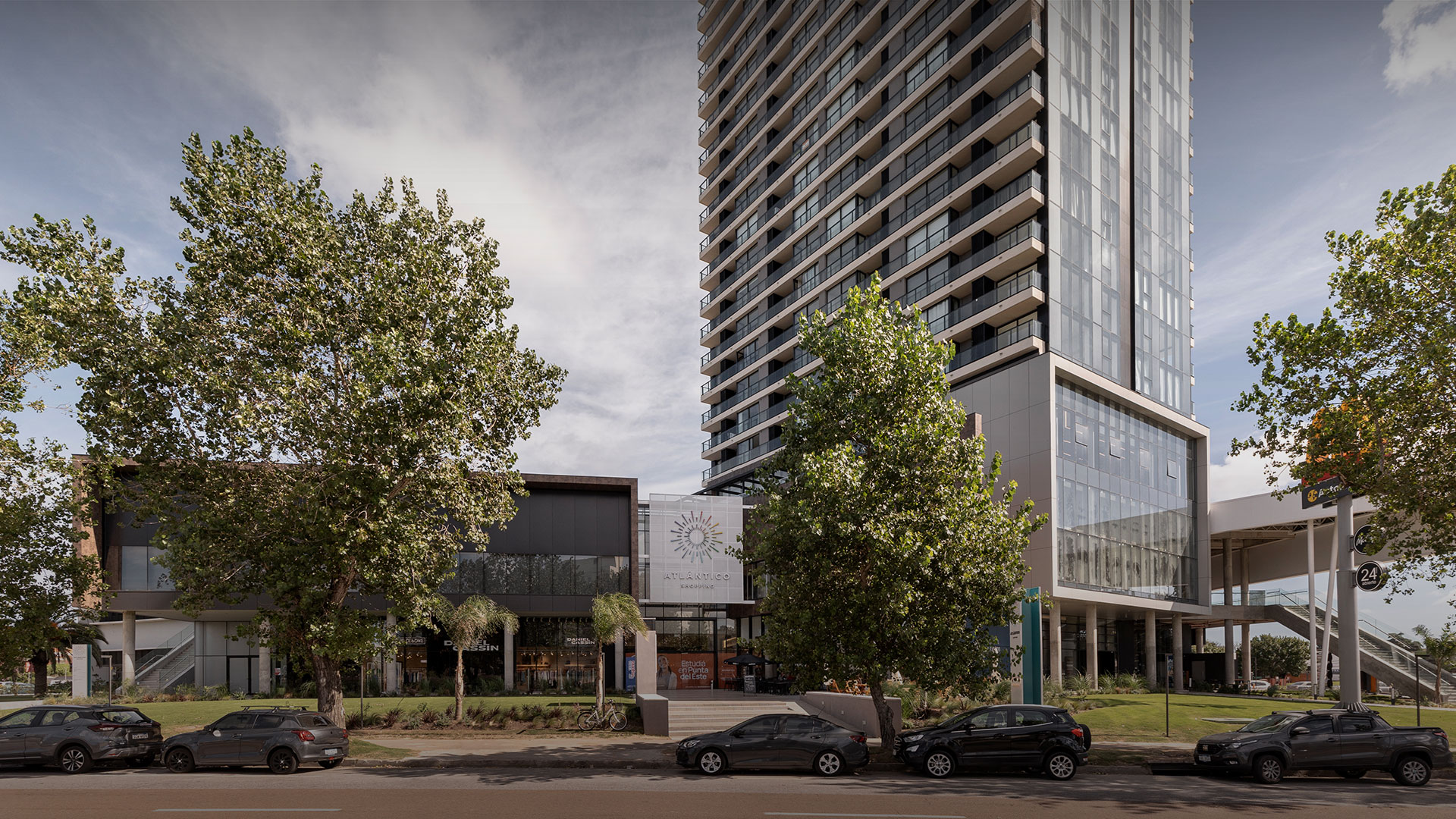
When shopping can happen on any screen, the challenge for physical space is no longer to justify the transaction, but to offer reasons to stay.
Highlights
- In the United States, e-commerce accounted for 17.1% of retail sales in the second quarter of 2026. Most spending still flows through physical space.
- Opening a physical store increased a brand's online sales in its catchment area by an average of 6.9%; closing one reduced them by 11.5%.
- 97% of Gen Z consumers surveyed still shop in physical stores, although 85% acknowledge that social media influences their purchasing decisions.
What you'll find in the report
Why has retail shifted from transaction to experience?
Experience no longer accompanies the product; it is often part of it. We examine how the experience economy and the visual culture of social media have raised expectations for physical space, and why the traditional tenant mix is giving way to an experience mix.
What is phygital retail, and how does it change store design?
Physical and digital no longer compete; they complement each other. We analyze what click-and-collect, artificial intelligence, and digital twins mean for architecture, and why the more invisible technology becomes, the more the physical quality of a place matters.
How does mixed-use development turn retail into an urban catalyst?
Housing, offices, food and beverage, and public space generate activity for longer hours and for a broader range of people. We explore how a shopping center can stop being an island and become part of the city's everyday life.
What makes a space invite people to linger?
Designing for lingering means treating time as a design material. The report details the spatial variables that make it possible, from circulation paths and climatic comfort to spaces for pause and the relationship between interior and exterior.
Can a shopping center function as a "third place"?
Recent research shows that these spaces can become social infrastructure.
How do you design retail for several generations at once?
From Gen Z to the silver economy: how to accommodate different paces, needs, and ways of inhabiting the same place, and why inclusion is also a strategy for broadening audiences.
What has changed in retail, and what remains?
Location, accessibility, and safety are still the foundation. We compare traditional and experiential retail across seven key variables and analyze long-term adaptability.
Experiential Retail: The New Architecture of Lingering brings together international research, charts, six case studies, and accumulated experience from retail and mixed-use projects across Latin America.