Reading time: 2 minutes
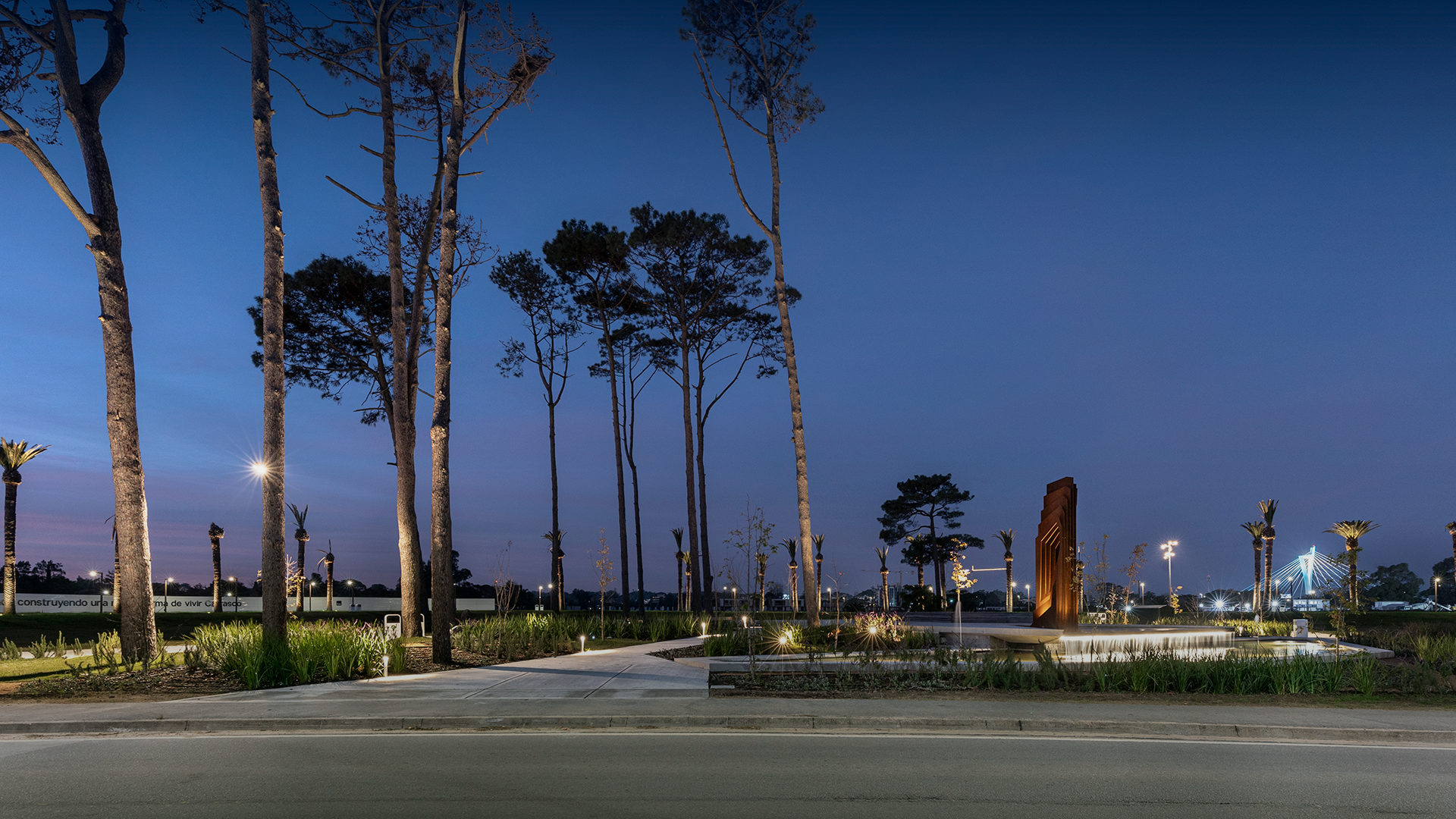
Public space does not begin or end with a plaza, park, or street. It is a continuous structure that runs through the city, connecting movement, encounters, economic activity, culture, and much of our everyday experience. Within this system, every architectural intervention contributes to a reality that necessarily extends beyond the boundaries of its own site.
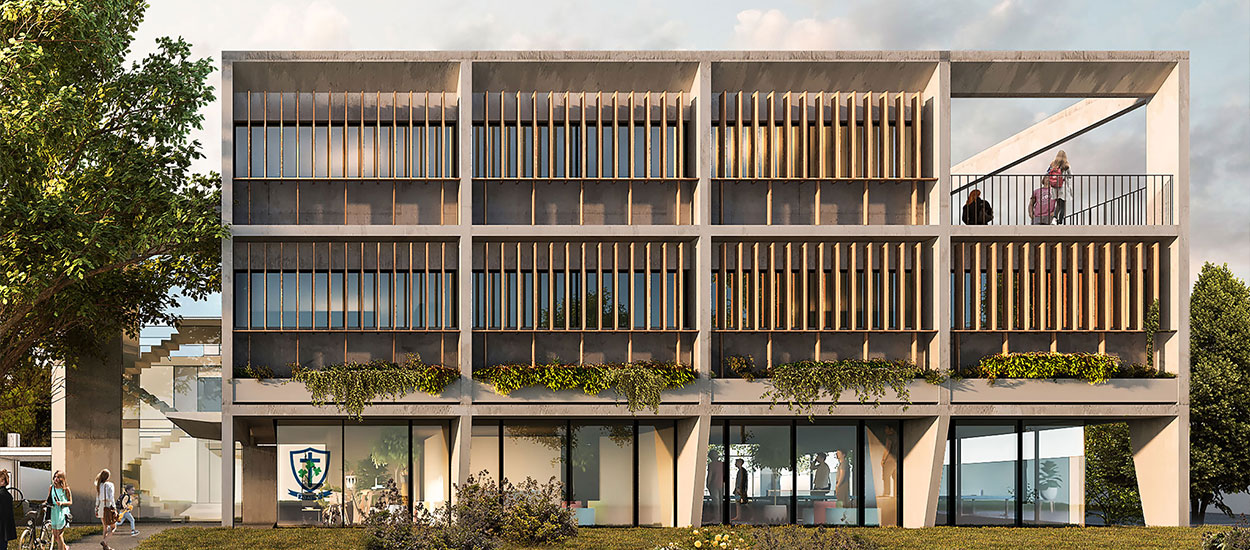
An entrance, a permeable ground floor, the continuity of a sidewalk, an open setback, or the integration of vegetation can reshape the relationship between a building and its surroundings. Thinking about public space therefore means expanding the scale at which architecture is conceived: understanding that architecture, landscape, mobility, and infrastructure are part of the same system, and that every decision can influence accessibility, comfort, safety, and the ways in which the city is used.
Public Space, Architecture, and Urban Life
Throughout this report, we bring together the key reflections from “120 Minutes: Public Space,” a conversation that explores public space as infrastructure, as a setting for social interaction, and as a tool for creating cities capable of adapting to new ways of living.
The document explores:
- The boundaries between public and private: how edges, ground floors, setbacks, and transitional spaces can strengthen the relationship between buildings and the city.
- Ownership, belonging, and coexistence: the conditions that allow a place to be used, reinterpreted, and incorporated into everyday life by diverse communities.
- Public space as a generator of value: the role of streets, parks, landscape, and urban connections in shaping the experience of developments and creating new urban centers.
- Infrastructure, resilience, and adaptability: the integration of mobility, vegetation, shade, permeability, and flexibility to respond to social, environmental, and urban change.
Designing public space means designing relationships, not simply places. Streets, parks, plazas, green corridors, and hybrid spaces form an interdependent network in which every intervention can expand opportunities for encounter, use, and appropriation. It is in this ability to connect scales and experiences that architecture makes one of its most significant contributions to the making of the city.